After critiquing a list of conventions for the genre, students read, view, or listen to a classic
mystery, and then produce a mystery of their own, reflecting on the purposeful ways in which
they adhered to or altered the genre conventions.

Investigating Genre: The Case of the Classic Detective Story
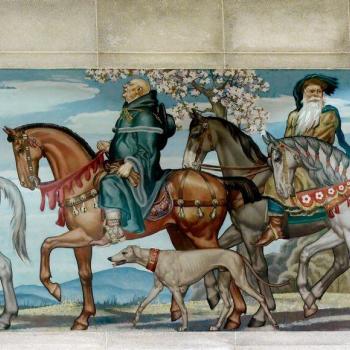
Exploring The Prologue to The Canterbury Tales using Wikis
Students study Chaucer's Canterbury Tales not just for its rich language, but also for the insights it provides into the Middle Ages. Using wikis, students collaborate to study both literature and history on their own terms. They create meaning and build information networks using tools Chaucer himself would have loved.

Using Microblogging and Social Networking to Explore Characterization and Style
Students use social networking sites to trace the development of characters by assuming the persona of a character on the class Ning and sending a set number of tweets, or status updates.

If a Body Texts a Body: Texting in The Catcher in the Rye
Students imagine the possibilities afforded by text messaging technology in The Catcher in the Rye; They compare and contrast major forms of communication, select points in the novel to represent with text messages, and share and discuss their creative work.

Blogtopia: Blogging about Your Own Utopia
Students work together to create their own utopias, using blogs as the primary source of publication.

Outside In: Finding A Character's Heart Through Art
This activity, inspired by the paintings of Edward Hopper and the stories of Raymond Carver, challenges students to get inside contemporary life and characters through the creation of monologues.
The Comic Book Show and Tell
Students craft comic scripts using clear, descriptive, and detailed writing that shows (illustrates) and tells (directs). After peers create an artistic interpretation of the script, students revise their original scripts.
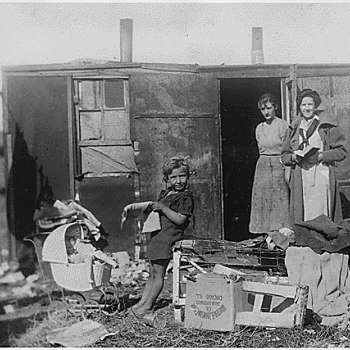
Designing Museum Exhibits for The Grapes of Wrath: A Multigenre Project
Using The Grapes of Wrath as a backdrop, students conduct research on issues that the novel addresses, publishing their findings in a multigenre museum exhibit.
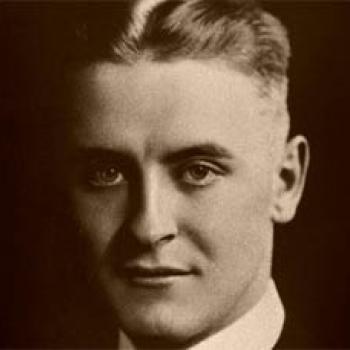
Connotation, Character, and Color Imagery in The Great Gatsby
Students explore the connotations of the colors associated with the characters in F. Scott Fitzgerald's The Great Gatsby.

Exploring Satire with Shrek
The movie Shrek introduces the satirical techniques of exaggeration, incongruity, reversal, and parody. Students brainstorm fairy tale characteristics, identify satirical techniques, then create their own satirical versions of fairy tales.

Reader Response in Hypertext: Making Personal Connections to Literature
Students write a narrative of place, a character sketch, an extended metaphor poem and a persuasive essay then link all four texts to quotations they have selected from a novel.

Freedom of Speech and Automatic Language: Examining the Pledge of Allegiance
This lesson has students explore freedom of speech by examining the Pledge of Allegiance from a historical and personal perspective and in relationship to fictional situations in novels.

Exploring Literature through Letter-Writing Groups
Students discuss literature through a series of letter exchanges, as a one-time assignment or throughout the year with the students discussing, and making connections among, a number of literary works.
Weaving the Multigenre Web
Students analyze the elements of a novel in many different genres and then hyperlink these pieces together on student-constructed Websites.
Unlocking the Underlying Symbolism and Themes of a Dramatic Work
This lesson plan invites students to consider characters from Lorraine Hansberry's A Raisin in the Sun. Students explore a selected character and write poems about objects associated with that character.
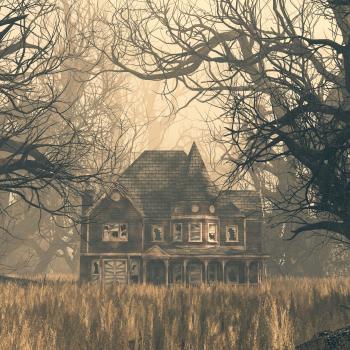
Ghosts and Fear in Language Arts: Exploring the Ways Writers Scare Readers
Students analyze scary stories to 'break the code" of horror writing and use what they learn to write scary stories of their own.

Graffiti Wall: Discussing and Responding to Literature Using Graphics
Tap students' desires to doodle and draw by having them create a Graffiti Wall, using graphics to discuss a piece of literature that has been read by the whole class.

Novel News: Broadcast Coverage of Character, Conflict, Resolution, and Setting
This twist on readers theater has students prepare original news programs based on incidents in a recent reading, as they explore standard literary elements of character, conflict, resolution, and setting.
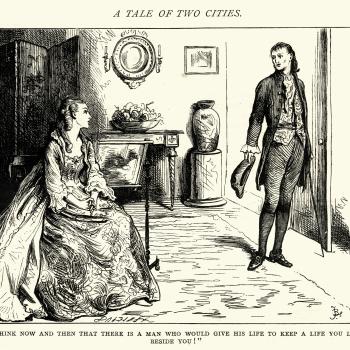
A Tale of a Few Text Messages: A Character Study of A Tale of Two Cities
Students use A Tale of Two Cities to explore relationships, plot points, character traits, and background by writing text messages between characters within the novel.
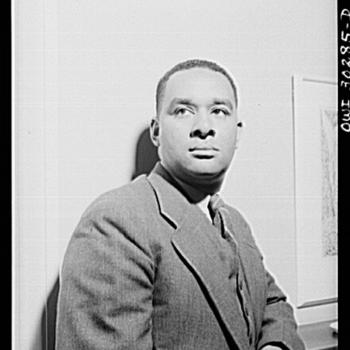
Demonstrating Understanding of Richard Wright's Rite of Passage
Students use the elements of persuasion for a specific audience to demonstrate their understanding of Richard Wright's accessible and engaging coming-of-age novel, Rite of Passage.