ReadWriteThink - Powered by NCTE
  • About
  • Classroom Resources
    • Lesson Plans
    • Teaching Comics
    • Teaching With Primary Resources
    • Calendar
    • Printouts
    • Student Interactives
  • Collections
    • Assessment
    • Authors
    • Booklists
    • Media Literacy
    • Poetry
    • Primary Sources
    • Writing
  • Professional Development
    • Strategy Guides
    • Professional Library
    • Meetings & Events
  • Join NCTE
  • Contact Us
  • About
  • Classroom Resources
    • Lesson Plans
    • Teaching Comics
    • Teaching With Primary Resources
    • Calendar
    • Printouts
    • Student Interactives
  • Collections
    • Assessment
    • Authors
    • Booklists
    • Media Literacy
    • Poetry
    • Primary Sources
    • Writing
  • Professional Development
    • Strategy Guides
    • Professional Library
    • Meetings & Events
  • Join NCTE
  • Contact Us
  • Facebook
  • Twitter
  • Instagram
  • Pinterest
  • YouTube

Breadcrumb

  1. Home

Type

  • Classroom Resources
  • Professional Development

Grades

  • 1 (61)
  • 2 (64)
  • 3 (66)
  • 4 (68)
  • 5 (73)
  • 6 (82)
  • 7 (81)
  • 8 (81)
  • 11 (54)
  • 12 (54)
  • K (54)
  • (-) 10 (55)

Learning Objectives

  • (-) Vocabulary (55)
  • collaboration (188)
  • Comprehension (212)
  • critical thinking (375)
  • digital literacy (77)
  • Grammar (19)
  • inquiry / research (163)
  • listening (83)
  • literary analysis (204)
  • Media literacy (137)
  • metacognition (189)
  • multicultural awareness (69)
  • multimodal literacy (142)
  • oral communication (103)
  • phonological awareness (4)
  • print awareness (36)
  • reading fluency (11)
  • reading genres (157)
  • Spelling (5)
  • text structure / story structure (108)
  • writing genres (193)
  • writing process (169)

Topics

  • arts
  • community
  • drama
  • ELL
  • Family
  • fiction
  • Mathematics
  • Mobile Learning
  • nonfiction
  • poetry
  • science
  • seasons / holidays
  • social action
  • social studies / history
  • STEM
Tell Me Your Story: Video-Inspired Vocabulary Writing
Grades
9 - 12
|
Lesson Plan
|
Recurring Lesson
Tell Me Your Story: Video-Inspired Vocabulary Writing
Students watch a sample of artistic video clips online and respond through creative writing while using the vocabulary words they are currently studying.

Engineering the Perfect Poem by Using the Vocabulary of STEM
Grades
7 - 10
|
Lesson Plan
|
Standard Lesson
Engineering the Perfect Poem by Using the Vocabulary of STEM

Students research engineering careers and create poetry to understand the vocabulary of STEM (science, technology, engineering, and mathematics).
Pairing Fiction With Poetry and Performance
Grades
9 - 12
|
Lesson Plan
|
Unit
Pairing Fiction With Poetry and Performance
Make connections across genres and across cultures to engage students in the study of literary voice and themes. Comprehension skills and vocabulary also come into play, especially for English language learners, as students read a novel and related poems, then write and perform original poems related to the novel.
Word Mover
Grades
3 - 12
|
Student Interactive
|
Writing Poetry
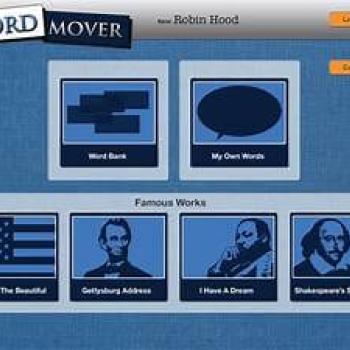
Word Mover

Word Mover allows children and teens to create "found poetry" by choosing from word banks and existing famous works; additionally, users can add new words to create a piece of poetry by moving/manipulating the text.
Word Matrix
Grades
6 - 12
|
Student Interactive
|
Learning About Language
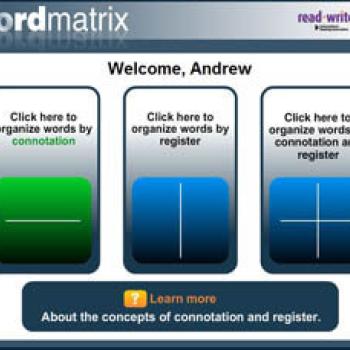
Word Matrix

Explore the similarities and differences among words typically considered synonyms with this tool that allows middle- and secondary-level students organize groups of words by connotation on one axis and by register on another.
Profile Publisher
Grades
6 - 12
|
Student Interactive
|
Writing & Publishing Prose
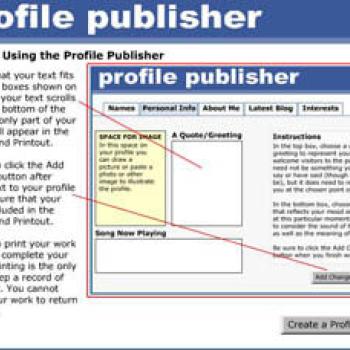
Profile Publisher

Students use the Profile Publisher to draft online social networking profiles, yearbook profiles, and newspaper or magazine profiles for themselves, other real or fictional characters.
Flip Book
Grades
3 - 12
|
Student Interactive
|
Writing & Publishing Prose
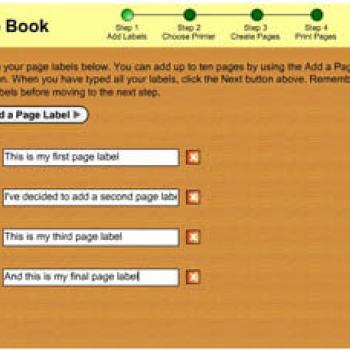
Flip Book
The Flip Book is designed to allow users to type and illustrate tabbed flip books up to ten pages long. Students and teachers can use the flip book for taking notes while reading, making picture books, collecting facts, or creating question and answer booklets.
WorldReadAloudDay
Grades
4 - 12
|
Calendar Activity
|
Literacy-Related Event
Today is World Read Aloud Day.

Students celebrate the power of words by reading aloud to their classmates and spreading the word of global literacy to their friends and family.

Noah Webster published his <em>American Dictionary of the English Language</em>  in 1828.
Grades
2 - 12
|
Calendar Activity
|
Historical Figure & Event
Noah Webster published his American Dictionary of the English Language in 1828.

After dividing students into small groups, students play a variation of the game Balderdash to celebrate the publication of Webster's dictionary.
<em>The Scarlet Letter</em> was published in 1850.
Grades
9 - 12
|
Calendar Activity
|
Author & Text
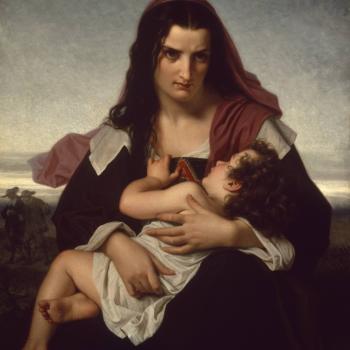
The Scarlet Letter was published in 1850.

Students brainstorm the possible meaning of the title The Scarlet Letter and what its significance might be. The class' responses are returned to once the reading has begun to see how their definitions have changed.

In 1564, William Shakespeare was born on this day.
Grades
1 - 12
|
Calendar Activity
|
Author & Text
In 1564, William Shakespeare was born on this day.

Based on grade level, students learn about rhyming structure, experiment with the Shakespearean Insult Kit, or study scenes from Othello and watch an adaptation of that scene from the movie O.

In 1969, the first human walked on the moon.
Grades
9 - 12
|
Calendar Activity
|
Historical Figure & Event
In 1969, the first human walked on the moon.
As a class, students discuss Neil Armstrong's famous quote when he landed on the moon and explore the difference that one word can make, as well as the gendered language that Armstrong uses.
Poet William Blake was born in 1757.
Grades
5 - 12
|
Calendar Activity
|
Author & Text
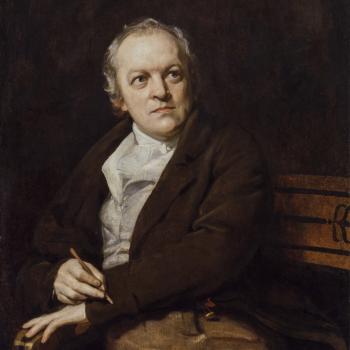
Poet William Blake was born in 1757.
As a class, students brainstorm abstract concepts and personify that concept through a drawing or story told about the character who personifies that concept.
Dictionary author Noah Webster was born in 1758.
Grades
3 - 12
|
Calendar Activity
|
Historical Figure & Event
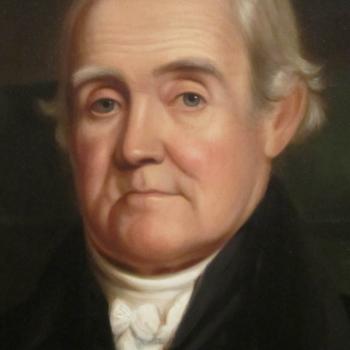
Dictionary author Noah Webster was born in 1758.

Students play a variation of the game Balderdash to practice vocabulary.
Grades
6 - 12
|
Nonfiction Books for Teens

In this episode, you'll hear about new nonfiction books that explore the role of women in the NASA space program, the Civil Rights Movement, and the experiences of Arab American youth in the post-9/11 era.

Pagination

  • First page « First
  • Previous page ‹‹
  • Page 1
  • Page 2
  • Page 3

Explore Resources by Grade

  • KindergartenK
  • 1-2
  • 3-4
  • 5-6
  • 7-8
  • 9-10
  • 11-12

RWT-logo

Powered By NCTE

Footer 1 Menu

  • About
  • Classroom Resources
  • Professional Development
  • Collections
  • Contact Us

Footer 2 Menu

  • National Council of Teachers of English
  • Contribute to RWT
  • FAQs
  • Join NCTE

Footer 3 Menu

  • Legal Notices
  • Privacy Policy
  • Promotional Materials
  • Site Demonstrations

Want to stay in touch with RWT and NCTE? Sign up here!

  • Facebook
  • Twitter
  • Instagram
  • Pinterest
  • YouTube

© NCTE 2026. All rights reserved