August Wilson's play The Piano Lesson invites students to ask a number of questions—big
and small. Students learn how to create effective discussion questions and then put them to use in student-led discussions.

Facilitating Student-Led Seminar Discussions with The Piano Lesson
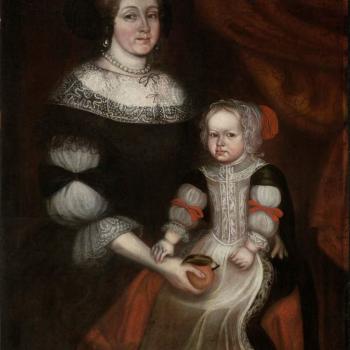
An Exploration of The Crucible through Seventeenth-Century Portraits
In this lesson, students incorporate analyses of characters from The Crucible with examinations of original seventeenth-century portraits of Puritans to create a visual portrait of the character. The project culminates in a "Portrait Gallery Walk" where students present and defend their artwork.

Audio Broadcasts and Podcasts: Oral Storytelling and Dramatization
After exploring Orson Welles' 1938 broadcast of H. G. Wells' War of the Worlds, students create their own audio dramatization of a text they have read.

An Introduction to Julius Caesar Using Multiple-Perspective Universal Theme Analysis
This resource is an introduction to William Shakespeare's tragic play, The Tragedy of Julius Caesar, through the study of universal themes using multiple-perspective investigations of betrayal scenarios.

Blending the Past with Today's Technology: Using Prezi to Prepare for Historical Fiction
To prepare for literature circles featuring historical novels, students research the decades of the 1930s to the 1990s and share their information using Prezi, a web application for creating multimedia presentations.

From Text to Film: Exploring Classic Literature Adaptations
Students create storyboards to compare and contrast a book and its film adaptation.

Reading Shakespeare's The Tempest through a Postcolonial Lens
Students take a postcolonial perspective on the portrayal of Caliban from Shakespeare's The Tempest by comparing it to a modern adaptation of the play.

RAFT Writing Template
Students can utilize this printout to organize their writing as they learn to use the RAFT strategy. This printout enables students to clearly define their role, audience, format, and topic for writing.

Using the RAFT Writing Strategy
This strategy guide introduces the RAFT technique and offers practical ideas for using this technique to teach students to experiment with various perspectives in their writing.

Socratic Seminars
This strategy guide explains Socratic seminars and offers practical methods for applying the approach in your classroom to help students investigate multiple perspectives in a text.
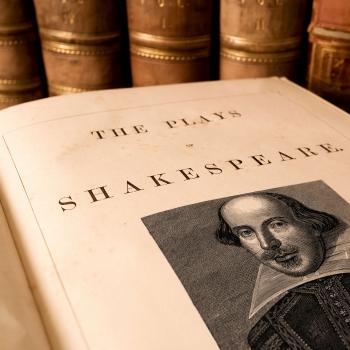
Constructing New Understanding Through Choral Readings of Shakespeare
After reading The Tempest or any other play by William Shakespeare, students work in small groups to plan, compose, and perform a choral reading based on a character or theme.
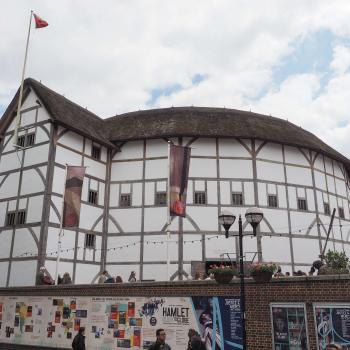
All's Well that Sells Well: A Creative Introduction to Shakespeare
Students compare attending a performance at The Globe Theater with attending a modern theater production or movie. They then create a commercial for an Elizabethan audience promoting a modern product.

The Ten-Minute Play: Encouraging Original Response to Challenging Texts
Students use both analytical and creative skills to adapt passages from a novel with significant internal dialogue and conflict, such as Toni Morrison's Beloved, into a ten-minute play.

The Peace Journey: Using Process Drama in the Classroom
What does peace mean to you? In this lesson, students attempt to answer this question as they write and perform a short skit that reflects their ideas of peace.

A High-Interest Novel Helps Struggling Readers Confront Bullying in Schools
Students read a work of realistic fiction about bullying and gain understanding through writing, Readers Theatre, and discussion.
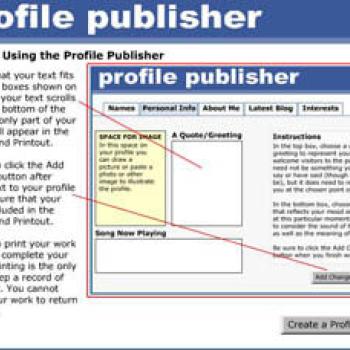
Profile Publisher
Students use the Profile Publisher to draft online social networking profiles, yearbook profiles, and newspaper or magazine profiles for themselves, other real or fictional characters.
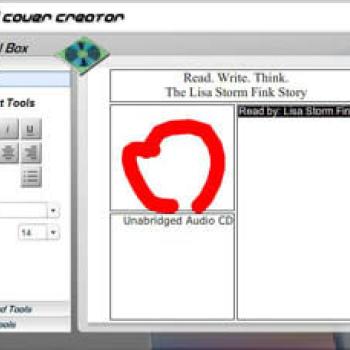
CD/DVD Cover Creator
The CD/DVD Cover Creator allows users to type and illustrate CD and DVD covers and related booklets for liner notes and other information. Students can use the tool to create covers for books, music, and films that they explored as well as to create covers for media they compose individually or as a class.

In 1564, William Shakespeare was born on this day.
Based on grade level, students learn about rhyming structure, experiment with the Shakespearean Insult Kit, or study scenes from Othello and watch an adaptation of that scene from the movie O.
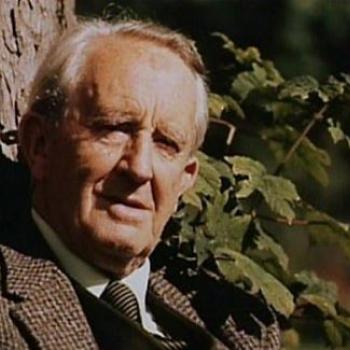
John Ronald Reuel Tolkien was born on this day.
Students compare the film versions of The Lord of the Rings and Tolkien's novels. Students then imagine how a scene in a current novel that they are reading would be filmed.

The first Academy Awards ceremony was held in 1929.
Students make lists of their favorite and least favorite movies and brainstorm qualities that make a film good or bad. Next, students write a movie review for a film they have seen.