Students learn more about libraries as part of National Library Week.
Celebrate National Library Week!
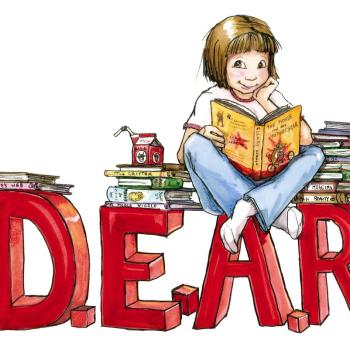
Today is D.E.A.R. Day!
April 12 is known as D.E.A.R Day! D.E.A.R. stands for "Drop Everything and Read," a national month-long celebration of reading designed to remind folks of all ages to make reading a priority activity in their lives.

United States Congress officially adopted the position of Poet Laureate Consultant in Poetry in 1985.
Students investigate the website of a past Poet Laureate's project and use it as a model to celebrate poetry that appeals most to them.

Music in Our Schools Month is in March.
Students explore the effects of music on a story by reading a story, novel, or play, viewing the musical version, and comparing the two. Students can then select a text read in class and create a musical adaptation.
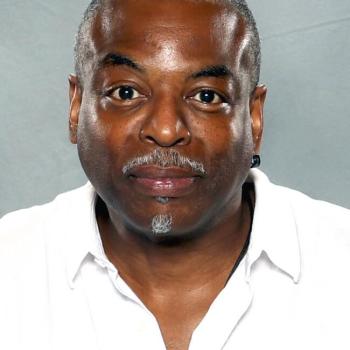
LeVar Burton, longtime host of Reading Rainbow, was born in 1957.
After reading two complementary Reading Rainbow selections, students compare the selections using the Venn Diagram and write a comparison essay.
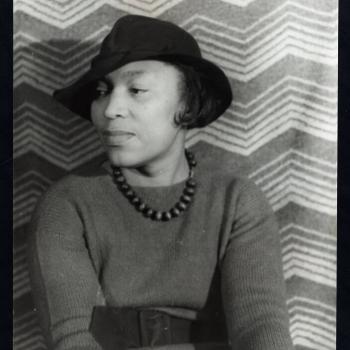
Their Eyes Were Watching God was published in 1937.
Students brainstorm the kinds of stories they know and where these stories come from. Students return to these questions as they begin reading Hurston's novel.
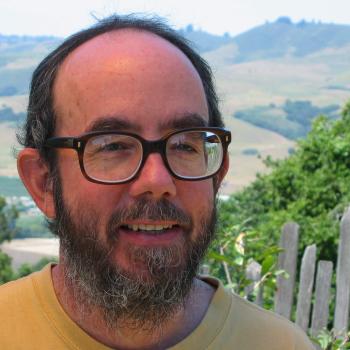
In 1952, Paul Fleischman was born on this day.
Some of Fleishman's memories in his essay "My House of Voices" are shared with the class. Students then write a descriptive essay that gives a tour of the voices in their homes, school, etc.

Rhyme Time With Madeline
Children love books that rhyme and to create their own rhymes. It's a fun way to learn how words sound similar to one another!

Blast Off to Learn New Words
Boost vocabulary by taking an imaginary trip into space. After a lunar "landing," children return to Earth with a galaxy of new words.
Add Seasons to Rhyming Poems and Songs
Choose favorite rhyming songs or nursery rhymes then replace the rhyming words with seasonal themes.

Practice Letters and Sounds Using Online Games
Find three fun online games that are designed to help children learn to recognize letters and how they sound.
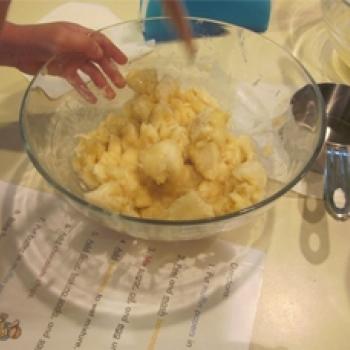
Cooking and Creating in the Kitchen
After reading If You Give a Moose a Muffin, have a "Muffin Party"! Children will write invitations, follow a recipe, and enjoy sharing their homemade muffins.
Amazing Biographies: Writing About People Who Change the World
After reading about historical figures and other important people that have changed the world, children choose someone that they consider to be "amazing"—either someone they've heard about or someone they know—and create a book page that highlights this person.

Where the Sidewalk Ends by Shel Silverstein was published in 1974.
Students are introduced to a Silverstein verse and asked for their impressions. They then draw that they imagine when they read one of his lines and then write a line or two to continue the passage.
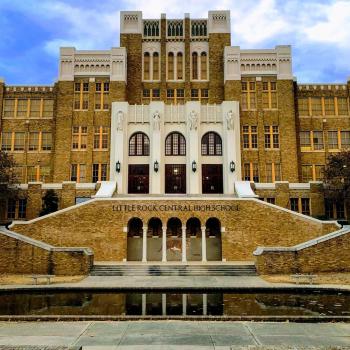
Central High School in Little Rock, Arkansas, was integrated in 1957.
After viewing some footage from the actual event, students jot down thoughts and feelings of the Little Rock Nine. Students then write a bio-poem that might have been written by one of these students on this historic day.
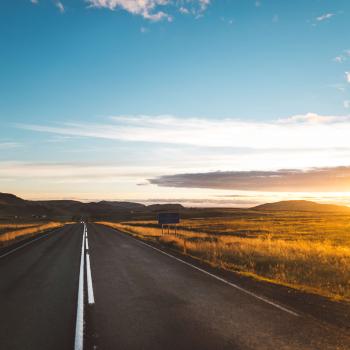
On the Road author Jack Kerouac embarked on his first cross-country road trip in 1947.
Students read a section from On the Road that deals with cross-country travel and reflects Kerouac's unique writing style. Students then attempt to write a narrative using Kerouac's stream-of-consciousness style.
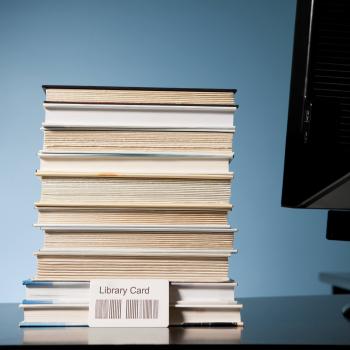
Library Card Sign-up Month begins today.
A school or public library librarian is invited to visit the classroom to talk to the students about the advantages of having a library card. Students then take a library tour to acquaint them with the general features and resources available.

The 19th Amendment to the U.S. Constitution gave women the right to vote in 1920.
A representative from the local chapter of the League of Women Voters is invited to talk to students about voting rights and what they can do to be active in politics.
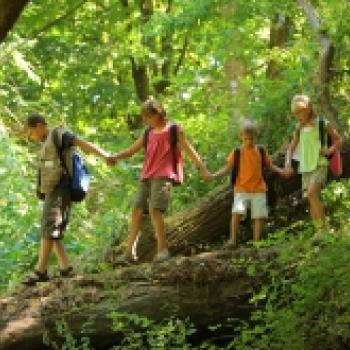
Let's Go On A Poetry Walk!
The sun is shining, the birds are chirping, and you're surrounded by brilliant shades of green! Observe and collect sensory images from nature and use the sights, sounds, smells, and textures to create original nature poetry.
Go Wild with Webcams!
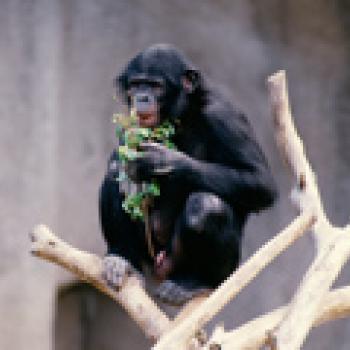
Can't make it to a zoo? After reading a book about apes, observe animal habits and habitats using one of the many Webcams broadcasting from zoos and aquariums around the United States and the world.