ReadWriteThink - Powered by NCTE
  • About
  • Classroom Resources
    • Lesson Plans
    • Teaching Comics
    • Teaching With Primary Resources
    • Calendar
    • Printouts
    • Student Interactives
  • Collections
    • Assessment
    • Authors
    • Booklists
    • Media Literacy
    • Poetry
    • Primary Sources
    • Writing
  • Professional Development
    • Strategy Guides
    • Professional Library
    • Meetings & Events
  • Join NCTE
  • Contact Us
  • About
  • Classroom Resources
    • Lesson Plans
    • Teaching Comics
    • Teaching With Primary Resources
    • Calendar
    • Printouts
    • Student Interactives
  • Collections
    • Assessment
    • Authors
    • Booklists
    • Media Literacy
    • Poetry
    • Primary Sources
    • Writing
  • Professional Development
    • Strategy Guides
    • Professional Library
    • Meetings & Events
  • Join NCTE
  • Contact Us
  • Facebook
  • Twitter
  • Instagram
  • Pinterest
  • YouTube

Breadcrumb

  1. Home

Type

  • Classroom Resources
  • Professional Development

Grades

  • 1 (3)
  • 2 (4)
  • 3 (16)
  • 4 (19)
  • 5 (26)
  • 6 (37)
  • 7 (40)
  • 8 (39)
  • 9 (39)
  • 10 (39)
  • 11 (38)
  • 12 (38)
  • K (3)

Learning Objectives

  • (-) oral communication (66)
  • collaboration (109)
  • Comprehension (107)
  • critical thinking (201)
  • digital literacy (35)
  • Grammar (5)
  • inquiry / research (141)
  • listening (41)
  • literary analysis (69)
  • Media literacy (68)
  • metacognition (93)
  • multicultural awareness (55)
  • multimodal literacy (59)
  • phonological awareness (2)
  • print awareness (22)
  • reading fluency (6)
  • reading genres (55)
  • Spelling (2)
  • text structure / story structure (33)
  • Vocabulary (23)
  • writing genres (78)
  • writing process (62)

Topics

  • (-) social studies / history
  • arts
  • careers
  • community
  • drama
  • ELL
  • Family
  • fiction
  • Mathematics
  • Mobile Learning
  • nonfiction
  • poetry
  • science
  • seasons / holidays
  • social action
  • Sports
  • STEM
Seeing Integration From Different Viewpoints
Grades
6 - 8
|
Lesson Plan
|
Standard Lesson
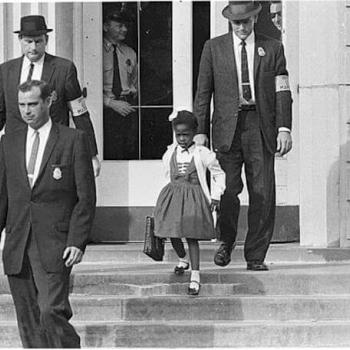
Seeing Integration From Different Viewpoints
What does the world look like through someone else's eyes? Guide students in using colorful paper glasses to examine a story of school desegregation from multiple perspectives.
Grades
6 - 8
|
Lesson Plan
|
Unit
Exploring and Sharing Family Stories
Writing gets personal when students interview family members in order to write a personal narrative about that person.
Using Pictures to Build Schema for Social Studies Content
Grades
3 - 5
|
Lesson Plan
|
Standard Lesson
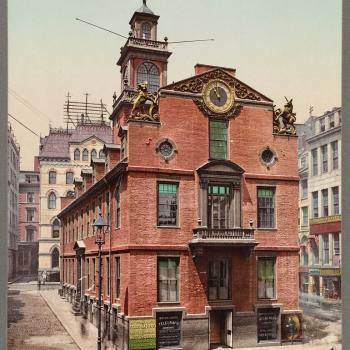
Using Pictures to Build Schema for Social Studies Content
How do you read an image? Students find out in this lesson in which they "read" several images of the Boston Massacre to better understand the event and recognize effects of propaganda.
A World of Readers: Libraries Around the World
Grades
6 - 8
|
Lesson Plan
|
Standard Lesson
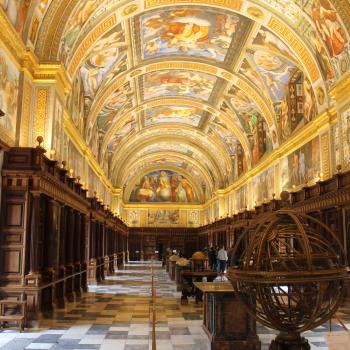
A World of Readers: Libraries Around the World
Bookworms will enjoy the bytes they find in this lesson as they research and share information about online library services in places around the world.

Digital Reflections: Expressing Understanding of Content Through Photography
Grades
6 - 8
|
Lesson Plan
|
Unit
Digital Reflections: Expressing Understanding of Content Through Photography
Striking images can leave lasting impressions on viewers. In this lesson, students make text–self–world connections to a nature- or science-related topic as they collaboratively design a multimedia presentation.
Great American Inventors: Using Nonfiction to Learn About Technology Inventions
Grades
3 - 5
|
Lesson Plan
|
Standard Lesson
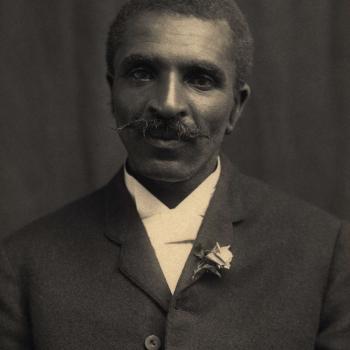
Great American Inventors: Using Nonfiction to Learn About Technology Inventions
Who are the people behind the world's greatest inventions? Students read biographies of a terrific trio of American inventors and create presentations that highlight how their inventions from the past impacted the future.
Grades
6 - 8
|
Lesson Plan
|
Standard Lesson
My Life/Your Life: A Look at Your Parents' Past
Past and present come together when students interview their parents and create a skit that compares their parents' experiences as middle schoolers with the students' own lives.
Play Ball! Encouraging Critical Thinking Through Baseball Questions
Grades
6 - 8
|
Lesson Plan
|
Standard Lesson
Play Ball! Encouraging Critical Thinking Through Baseball Questions
Cooperation and critical thinking are the name of the game as students use baseball facts they find online to create trivia questions for a class Jeopardy game.

Storytelling in the Social Studies Classroom
Grades
3 - 5
|
Lesson Plan
|
Unit
Storytelling in the Social Studies Classroom
People make the past come alive as students research and then share stories about famous Americans who promoted democratic ideals.
Grades
3 - 5
|
Lesson Plan
|
Standard Lesson
Flying to Freedom: Tar Beach and The People Could Fly
Students look to the past and use historical context to compare and contrast two characters from folktales.
Today is Native American writer Leslie Marmon Silko's birthday.
Grades
3 - 12
|
Calendar Activity
|
Author & Text
Today is Native American writer Leslie Marmon Silko's birthday.
Students revive elements of the oral tradition by writing about something funny that happened to them recently, sharing with classmates, and discussing the changes that occur during the retelling of the stories.
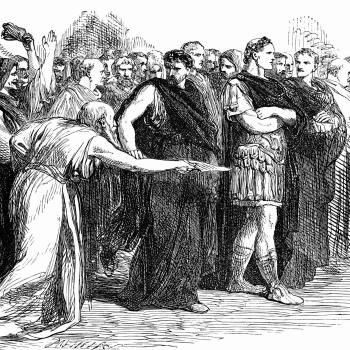
Beware the Ides of March!
Grades
3 - 12
|
Calendar Activity
|
Historical Figure & Event
Beware the Ides of March!
Students discuss and categorize superstitions, define a superstition, and compare the similarities and difference between proverbs and superstitions.
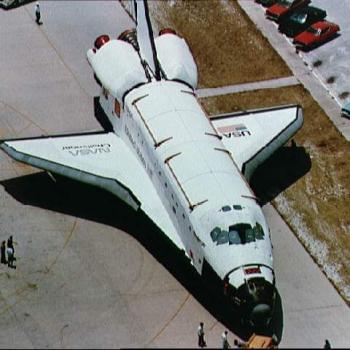
The Space Shuttle <em>Challenger</em> exploded in 1986.
Grades
3 - 12
|
Calendar Activity
|
Historical Figure & Event
The Space Shuttle Challenger exploded in 1986.

Students interview a parent or another adult about the Challenger and hypothesize about differences. Students can also write about the Columbia disaster in 2003.
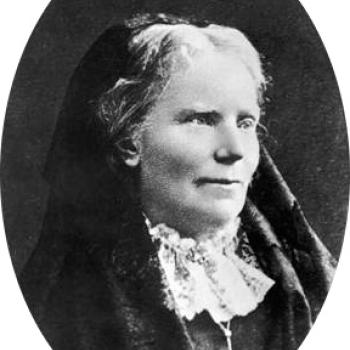
Elizabeth Blackwell became the first woman in the US to earn a MD degree in 1849.
Grades
3 - 12
|
Calendar Activity
|
Historical Figure & Event
Elizabeth Blackwell became the first woman in the US to earn a MD degree in 1849.
"Famous Firsts" are researched by students, followed by small group research and multimedia presentations to report research results.
Author Alice Walker was born on February 9, 1944.
Grades
9 - 12
|
Calendar Activity
|
Author & Text
Author Alice Walker was born on February 9, 1944.
After students read the novel The Color Purple, dialect is discussed and students write a short piece of fiction or poetry using the dialect of their peer group.
In 1969, the first human walked on the moon.
Grades
9 - 12
|
Calendar Activity
|
Historical Figure & Event
In 1969, the first human walked on the moon.
As a class, students discuss Neil Armstrong's famous quote when he landed on the moon and explore the difference that one word can make, as well as the gendered language that Armstrong uses.
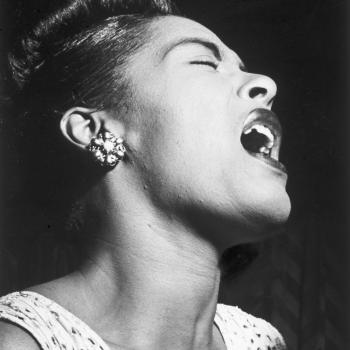
Jazz and blues singer Billie Holiday was born in 1915.
Grades
9 - 12
|
Calendar Activity
|
Historical Figure & Event
Jazz and blues singer Billie Holiday was born in 1915.
Students listen to Holiday's song "Strange Fruit" and identify powerful and descriptive images for a mini-lesson on tone and about the lynchings in the South during this time.
Annie Moore becomes the first immigrant to enter Ellis Island in 1892.
Grades
3 - 12
|
Calendar Activity
|
Historical Figure & Event
Annie Moore becomes the first immigrant to enter Ellis Island in 1892.
Students explore online resources about Ellis Island, interview an immigrant in the area, and publish their stories.
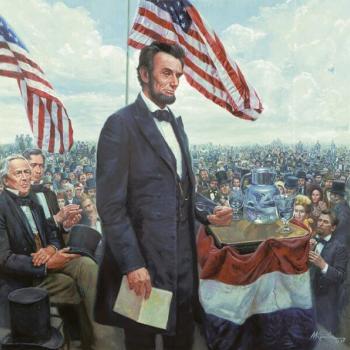
Abraham Lincoln delivered the Gettysburg Address in 1863.
Grades
7 - 12
|
Calendar Activity
|
Historical Figure & Event
Abraham Lincoln delivered the Gettysburg Address in 1863.
Students practice the Pre-AP strategy called SOAPSTone, identifying important parts of the Gettysburg Address and comparing it with John F. Kennedy's inaugural speech.
Dr. Jonas Salk, who developed the polio vaccine, was born in 1914.
Grades
5 - 12
|
Calendar Activity
|
Historical Figure & Event
Dr. Jonas Salk, who developed the polio vaccine, was born in 1914.
After learning about Dr. Salk, students interview a family member or someone they know who remembers the polio epidemic.

Pagination

  • First page « First
  • Previous page ‹‹
  • Page 1
  • Page 2
  • Page 3
  • Page 4
  • Next page ››
  • Last page Last »

Explore Resources by Grade

  • KindergartenK
  • 1-2
  • 3-4
  • 5-6
  • 7-8
  • 9-10
  • 11-12

RWT-logo

Powered By NCTE

Footer 1 Menu

  • About
  • Classroom Resources
  • Professional Development
  • Collections
  • Contact Us

Footer 2 Menu

  • National Council of Teachers of English
  • Contribute to RWT
  • FAQs
  • Join NCTE

Footer 3 Menu

  • Legal Notices
  • Privacy Policy
  • Promotional Materials
  • Site Demonstrations

Want to stay in touch with RWT and NCTE? Sign up here!

  • Facebook
  • Twitter
  • Instagram
  • Pinterest
  • YouTube

© NCTE 2026. All rights reserved
