ReadWriteThink - Powered by NCTE
  • About
  • Classroom Resources
    • Lesson Plans
    • Teaching Comics
    • Teaching With Primary Resources
    • Calendar
    • Printouts
    • Student Interactives
  • Collections
    • Assessment
    • Authors
    • Booklists
    • Media Literacy
    • Poetry
    • Primary Sources
    • Writing
  • Professional Development
    • Strategy Guides
    • Professional Library
    • Meetings & Events
  • Join NCTE
  • Contact Us
  • About
  • Classroom Resources
    • Lesson Plans
    • Teaching Comics
    • Teaching With Primary Resources
    • Calendar
    • Printouts
    • Student Interactives
  • Collections
    • Assessment
    • Authors
    • Booklists
    • Media Literacy
    • Poetry
    • Primary Sources
    • Writing
  • Professional Development
    • Strategy Guides
    • Professional Library
    • Meetings & Events
  • Join NCTE
  • Contact Us
  • Facebook
  • Twitter
  • Instagram
  • Pinterest
  • YouTube

Breadcrumb

  1. Home

Type

  • Classroom Resources
  • Professional Development

Grades

  • 1 (47)
  • 2 (48)
  • 3 (76)
  • 4 (80)
  • 5 (94)
  • 6 (107)
  • 7 (114)
  • 8 (121)
  • 9 (118)
  • 10 (114)
  • 11 (112)
  • 12 (112)
  • K (39)

Learning Objectives

  • collaboration (70)
  • Comprehension (85)
  • critical thinking (88)
  • digital literacy (22)
  • Grammar (19)
  • inquiry / research (36)
  • listening (42)
  • literary analysis (73)
  • Media literacy (20)
  • metacognition (52)
  • multicultural awareness (28)
  • multimodal literacy (40)
  • oral communication (45)
  • phonological awareness (17)
  • print awareness (19)
  • reading fluency (13)
  • reading genres (43)
  • Spelling (17)
  • text structure / story structure (36)
  • Vocabulary (55)
  • writing genres (94)
  • writing process (86)

Topics

  • (-) ELL
  • (-) poetry
  • arts
  • careers
  • community
  • drama
  • Family
  • fiction
  • Mathematics
  • Mobile Learning
  • nonfiction
  • science
  • seasons / holidays
  • social action
  • social studies / history
  • Sports
  • STEM
John Chapman, better known as Johnny Appleseed, was born in 1775.
Grades
3 - 8
|
Calendar Activity
|
Historical Figure & Event
John Chapman, better known as Johnny Appleseed, was born in 1775.
Students use the Timeline Tool to organize details about Chapman's life, the Venn Diagram to organize information, and the Shape Poems Interactive to create poems about apples or Johnny Appleseed.
Grades
6 - 12
|
A Conversation with Matt de la Peña

Tune in to hear Matt discuss some of the thinking behind his newest novel, We Were Here.

Celebrate National Library Week!
Grades
K - 12
|
Calendar Activity
|
Literacy-Related Event
Celebrate National Library Week!

Students learn more about libraries as part of National Library Week.
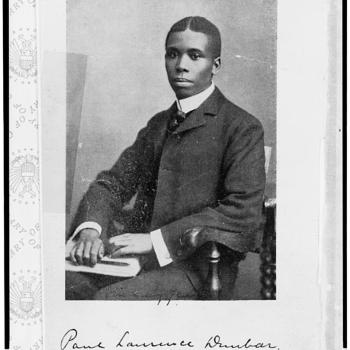
Poet Paul Laurence Dunbar was born today in 1872.
Grades
8 - 12
|
Calendar Activity
|
Author & Text
Poet Paul Laurence Dunbar was born today in 1872.
Students read one of Dunbar's most famous poems and explore how critical excerpts shape their understanding.
United States Congress officially adopted the position of Poet Laureate Consultant in Poetry in 1985.
Grades
K - 12
|
Calendar Activity
|
Literacy-Related Event
United States Congress officially adopted the position of Poet Laureate Consultant in Poetry in 1985.
Students investigate the website of a past Poet Laureate's project and use it as a model to celebrate poetry that appeals most to them.
Today, the American Library Association announces its annual book award winners.
Grades
3 - 12
|
Calendar Activity
|
Literacy-Related Event
Today, the American Library Association announces its annual book award winners.

Students research different awards given by the ALA and do an activity based on one of the awards.

William Carlos Williams was born in 1883.
Grades
5 - 8
|
Calendar Activity
|
Author & Text
William Carlos Williams was born in 1883.
Students write imitation poems, review grammatical structures, and use the ReadWriteThink Printing Press or Stapleless Book to publish their finished work.

Grades
3 - 5
|
Write Theme Poems

Use shape and theme poems, or poems that look like the things they describe, as a fun way to introduce children to poetry.

Grades
K - 2
|
Add Seasons to Rhyming Poems and Songs

Choose favorite rhyming songs or nursery rhymes then replace the rhyming words with seasonal themes.
Grades
5 - 10
|
Make a Magnetic Poetry Set

Let children practice using different types of words in a fill-in-the-blank-story game before making their own word list for a magnetic poetry set.
Grades
4 - 8
|
Unveiling Idioms: A Game of Concentration

Brainstorm popular expressions with friends and family, then explore their meanings through game play and writing/drawing/cut-and-paste activities.

Grades
3 - 8
|
Follow the Word Trail: Organize a Treasure Hunt

Create a treasure hunt out of word-puzzle clues hidden around the home or yard.

Grades
3 - 8
|
Send a Smile: Make a Card for a Special Occasion

Everyone loves getting a greeting card, especially if it's homemade. Make a funny or thoughtful greeting card or invitation with pictures and a poem, joke, or riddle.

Grades
6 - 8
|
Finding Poetry in Pleasure Reading

After reading a book or magazine, children and teens can choose a section and transform it into what's known as a "found poem."

<em>Where the Sidewalk Ends</em> by Shel Silverstein was published in 1974.
Grades
1 - 12
|
Calendar Activity
|
Author & Text
Where the Sidewalk Ends by Shel Silverstein was published in 1974.
Students are introduced to a Silverstein verse and asked for their impressions. They then draw that they imagine when they read one of his lines and then write a line or two to continue the passage.
Richard Wright was born in 1908.
Grades
7 - 12
|
Calendar Activity
|
Author & Text
Richard Wright was born in 1908.
Students read an appropriate excerpt from Black Boy, discuss the incident in which Richard gets into trouble, and write found poems.
Ernest Thayer, author of the famous poem "Casey at the Bat," was born in 1863.
Grades
3 - 8
|
Calendar Activity
|
Author & Text
Ernest Thayer, author of the famous poem "Casey at the Bat," was born in 1863.
In small groups or individually, students make baseball cards for the players in the poem "Casey at the Bat." Students can use a word processor or the Character Trading Cards interactive to create their cards.
Grades
K - 6
|
Calendar Activity
|
Author & Text
Gary Soto, poet and children's writer, was born on this date in 1952.
Using one of Soto's stories, students take part in share stories about their families, describe their street/neighborhood, or compose an acrostic poem using the Acrostic Poems interactive tool.
Grades
K - 8
|
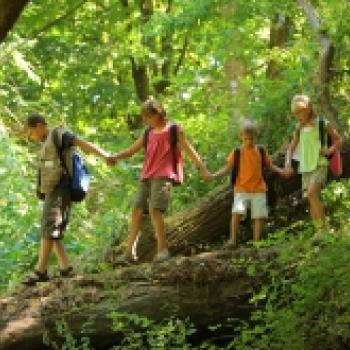
Let's Go On A Poetry Walk!

The sun is shining, the birds are chirping, and you're surrounded by brilliant shades of green! Observe and collect sensory images from nature and use the sights, sounds, smells, and textures to create original nature poetry.

Grades
3 - 5
|
Star Light, Star Bright: Reading and Writing about the Nighttime Sky

Children watch the nighttime sky come alive as the read a book about fascinating elements in the night and write a poem/story about the things they learn!

Pagination

  • First page « First
  • Previous page ‹‹
  • …
  • Page 4
  • Page 5
  • Page 6
  • Page 7
  • Page 8
  • Page 9
  • Page 10
  • Page 11
  • Page 12

Explore Resources by Grade

  • KindergartenK
  • 1-2
  • 3-4
  • 5-6
  • 7-8
  • 9-10
  • 11-12

RWT-logo

Powered By NCTE

Footer 1 Menu

  • About
  • Classroom Resources
  • Professional Development
  • Collections
  • Contact Us

Footer 2 Menu

  • National Council of Teachers of English
  • Contribute to RWT
  • FAQs
  • Join NCTE

Footer 3 Menu

  • Legal Notices
  • Privacy Policy
  • Promotional Materials
  • Site Demonstrations

Want to stay in touch with RWT and NCTE? Sign up here!

  • Facebook
  • Twitter
  • Instagram
  • Pinterest
  • YouTube

© NCTE 2026. All rights reserved