Students have fun with language by creating a special kind of pun with its origin in a literary source.
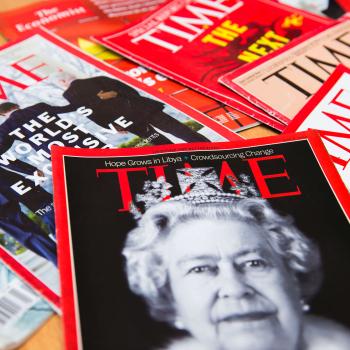
Time Magazine launches its "Tom Swifty" contest today in 1963.

Music in Our Schools Month is in March.
Students explore the effects of music on a story by reading a story, novel, or play, viewing the musical version, and comparing the two. Students can then select a text read in class and create a musical adaptation.

Celebrate the 100th day of school!
As a class, students work in small groups to create a "100th Day" book.

César Chávez was born on this day in 1927.
Students work in small groups to research a civil rights leader and do a creative writing piece, followed by a short story, with their group.

F. Scott Fitzgerald, author of The Great Gatsby, was born in 1896.
After reading The Great Gatsby, students work in pairs, select a chapter from the novel, and rewrite it from the point of view of a different character.
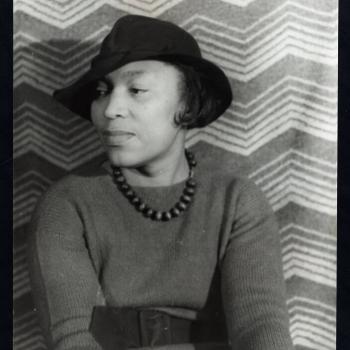
Their Eyes Were Watching God was published in 1937.
Students brainstorm the kinds of stories they know and where these stories come from. Students return to these questions as they begin reading Hurston's novel.
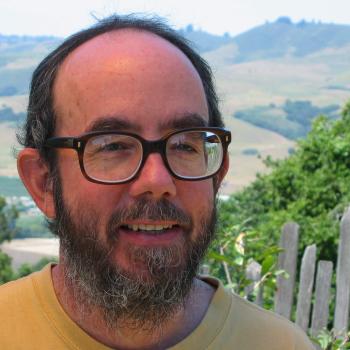
In 1952, Paul Fleischman was born on this day.
Some of Fleishman's memories in his essay "My House of Voices" are shared with the class. Students then write a descriptive essay that gives a tour of the voices in their homes, school, etc.

Telling My Story: Make a Bio-Cube
Let children explore an interesting subject—themselves. An online tool will teach them to summarize and organize information as they write.

Explore Your Reading Self
In this activity teens are encouraged to explore their reading history as they remember books they liked reading as children and then revisit these old favorites.

Celebrate Heroes
Encourage children to spend a little time thinking and writing about just what makes a hero and who their personal heroes might be.

Create a Career Blog
This activity invites children and teens to explore various careers and then write about what they might want to be when they grow up in a blog.

Make a Magnetic Poetry Set
Let children practice using different types of words in a fill-in-the-blank-story game before making their own word list for a magnetic poetry set.

Amazing Biographies: Writing About People Who Change the World
After reading about historical figures and other important people that have changed the world, children choose someone that they consider to be "amazing"—either someone they've heard about or someone they know—and create a book page that highlights this person.
It's Raining Cats and Dogs! Make a Children's Book about the Weather
Kids learn about weather sayings throughout history while writing and illustrating a book for younger children.
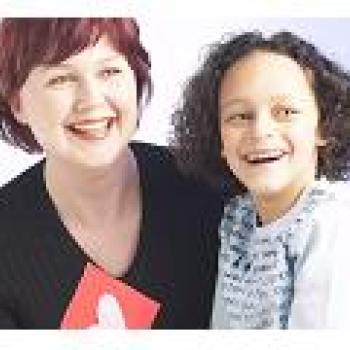
Send a Smile: Make a Card for a Special Occasion
Everyone loves getting a greeting card, especially if it's homemade. Make a funny or thoughtful greeting card or invitation with pictures and a poem, joke, or riddle.

The Natural World as Inspiration: An Outdoor Art Show
Children incorporate materials from outdoors with paints or crayons to create pieces of art to display on their clotheslines, fences, or porches for a neighborhood art show.

Where the Sidewalk Ends by Shel Silverstein was published in 1974.
Students are introduced to a Silverstein verse and asked for their impressions. They then draw that they imagine when they read one of his lines and then write a line or two to continue the passage.
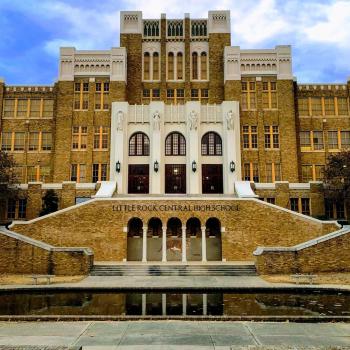
Central High School in Little Rock, Arkansas, was integrated in 1957.
After viewing some footage from the actual event, students jot down thoughts and feelings of the Little Rock Nine. Students then write a bio-poem that might have been written by one of these students on this historic day.
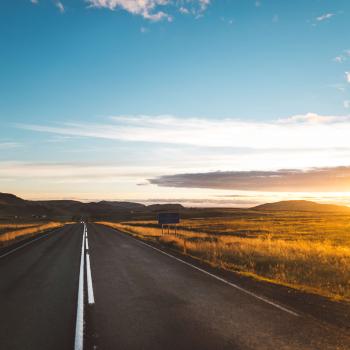
On the Road author Jack Kerouac embarked on his first cross-country road trip in 1947.
Students read a section from On the Road that deals with cross-country travel and reflects Kerouac's unique writing style. Students then attempt to write a narrative using Kerouac's stream-of-consciousness style.

Richard Wright was born in 1908.
Students read an appropriate excerpt from Black Boy, discuss the incident in which Richard gets into trouble, and write found poems.