Students explore naming conventions in digital and non-digital settings then choose and explain specific names and profiles to represent themselves online.

Naming in a Digital World: Creating a Safe Persona on the Internet

Question and Answer Books--From Genre Study to Report Writing
After exploring several question and answer books on a variety of topics, students research a topic and create their own class question and answer book.

Paying Attention to Technology: Reviewing a Technology
Students read and analyze technology reviews to establish the characteristics of the genre. They then compose their own reviews on a technology of their choice.

Focusing Reader Response Through Vocabulary Analysis
Students suggest and categorize words that they associate with a novel they have recently read, ranging from details about the plot to feelings about a character.
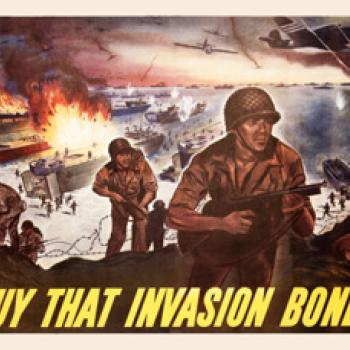
Argument, Persuasion, or Propaganda? Analyzing World War II Posters
Students analyze World War II posters, as a group and then independently, to explore how argument, persuasion and propaganda differ.

Completing the Circle: The Craft of Circular Plot Structure
Students identify, explore and apply the elements of circle plot structures to their own stories by using graphic organizers, reading and writing stories, and using checklists to assess their work.

Building Vietnam War Scavenger Hunts through Web-Based Inquiry
Students research the effects of the Vietnam war on a specific group of people who were involved. They then create Internet scavenger hunts to share with the class.
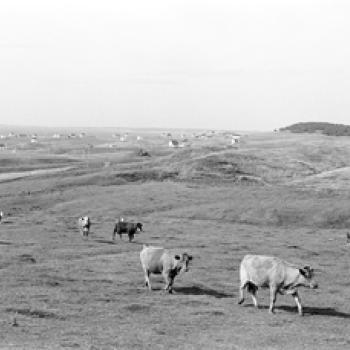
What If We Changed the Book? Problem-Posing with Sixteen Cows
After reading a piece of math-related children's literature aloud, students pose and solve new problems by asking what-if questions about the events in the story.
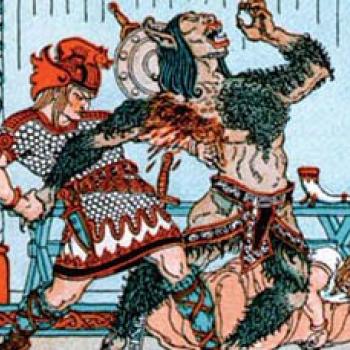
Reading Literature in Translation: Beowulf as a Case Study
Using several translations of the same passage of Beowulf, this lesson introduces students to the idea that translation is not an objective practice, but that it involves "imaginative reconstruction."
Exploring Satire with The Simpsons
This lesson uses an example from popular culture, The Simpsons, as a means to explore the literary technique of satire and to analyze a satirical work.

Exploring Satire with Shrek
The movie Shrek introduces the satirical techniques of exaggeration, incongruity, reversal, and parody. Students brainstorm fairy tale characteristics, identify satirical techniques, then create their own satirical versions of fairy tales.
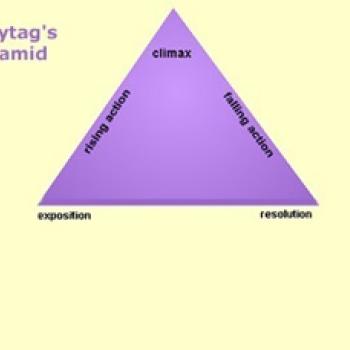
Using Picture Books to Teach Plot Development and Conflict Resolution
Students read picture books to explore the concepts of plot development and conflict resolution. They first learn about the connections between reading and writing, and then revise their own writing.

Examining Plot Conflict through a Comparison/Contrast Essay
Students explore picture books to identify the characteristics of four types of conflict. They then write about a conflict they have experienced and compare it to a conflict from literature.
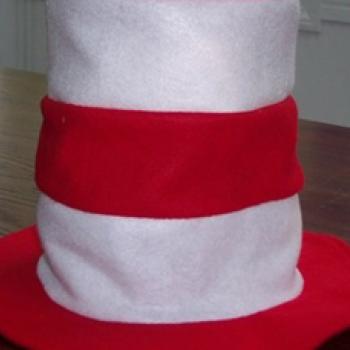
Id, Ego, and Superego in Dr. Seuss's The Cat in the Hat
Dr. Seuss's The Cat in the Hat is used as a primer to teach students how to analyze a literary work using plot, theme, characterization, and psychoanalytical criticism.
Weather Detectives: Questioning the Fact and Folklore of Weather Sayings
Students adopt a skeptical stance and become weather detectives who ask "Why?" and "Why not?" as they investigate the history and validity of some common weather sayings.

Short Story Fair: Responding to Short Stories in Multiple Media and Genres
In this activity, students read short stories and create presentations in multiple media to share in a Short Story Fair. At the fair, students explore and respond to the displays.
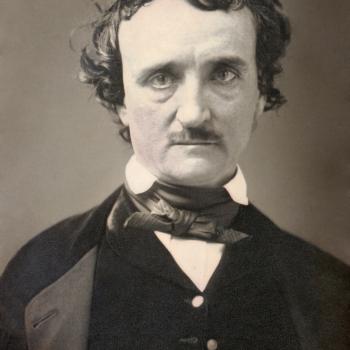
Modeling Reading and Analysis Processes with the Works of Edgar Allan Poe
Explore reading strategies using Edgar Allan Poe's "The Raven" and other works. Students read Poe's works in both large- and small-group readings then conclude with a variety of projects.

A Case for Reading - Examining Challenged and Banned Books
Students examine books, selected from the American Library Association Challenged/Banned Books list, and write persuasive pieces expressing their views about what should be done with the books at their school.
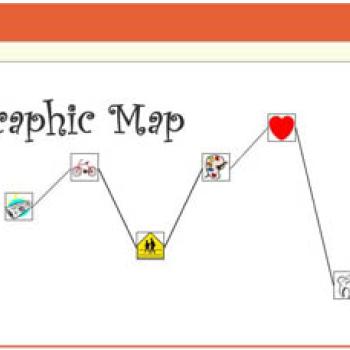
Mapping Characters Across Book Series
Students work on a guided characterization project, using a graphic map to illustrate the ways a character from a book series grows and evolves over the course of the story.

Propaganda Techniques in Literature and Online Political Ads
Students analyze propaganda techniques used in pieces of literature and political advertisements. They then look for propaganda in other media, such as print ads and commercials.