After reading The Great Gatsby, students work in pairs, select a chapter from the novel, and rewrite it from the point of view of a different character.

F. Scott Fitzgerald, author of The Great Gatsby, was born in 1896.
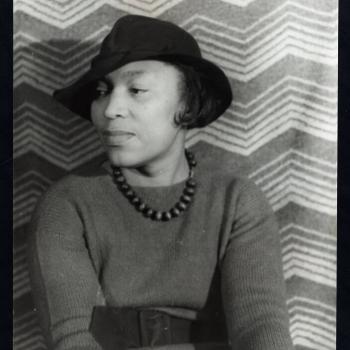
Their Eyes Were Watching God was published in 1937.
Students brainstorm the kinds of stories they know and where these stories come from. Students return to these questions as they begin reading Hurston's novel.
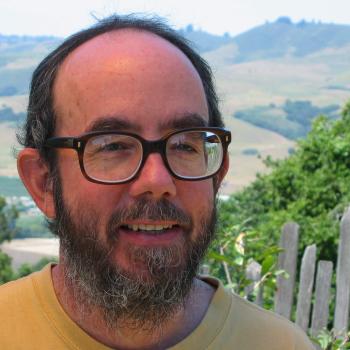
In 1952, Paul Fleischman was born on this day.
Some of Fleishman's memories in his essay "My House of Voices" are shared with the class. Students then write a descriptive essay that gives a tour of the voices in their homes, school, etc.

Telling My Story: Make a Bio-Cube
Let children explore an interesting subject—themselves. An online tool will teach them to summarize and organize information as they write.

Explore Your Reading Self
In this activity teens are encouraged to explore their reading history as they remember books they liked reading as children and then revisit these old favorites.

Celebrate Heroes
Encourage children to spend a little time thinking and writing about just what makes a hero and who their personal heroes might be.

Create a Career Blog
This activity invites children and teens to explore various careers and then write about what they might want to be when they grow up in a blog.
Amazing Biographies: Writing About People Who Change the World
After reading about historical figures and other important people that have changed the world, children choose someone that they consider to be "amazing"—either someone they've heard about or someone they know—and create a book page that highlights this person.

Send a Smile: Make a Card for a Special Occasion
Everyone loves getting a greeting card, especially if it's homemade. Make a funny or thoughtful greeting card or invitation with pictures and a poem, joke, or riddle.

The Natural World as Inspiration: An Outdoor Art Show
Children incorporate materials from outdoors with paints or crayons to create pieces of art to display on their clotheslines, fences, or porches for a neighborhood art show.

Where the Sidewalk Ends by Shel Silverstein was published in 1974.
Students are introduced to a Silverstein verse and asked for their impressions. They then draw that they imagine when they read one of his lines and then write a line or two to continue the passage.
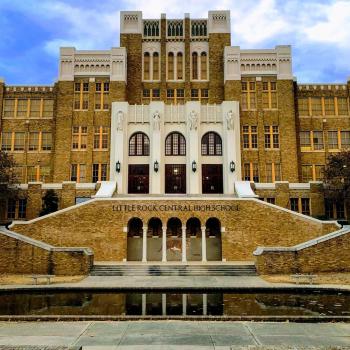
Central High School in Little Rock, Arkansas, was integrated in 1957.
After viewing some footage from the actual event, students jot down thoughts and feelings of the Little Rock Nine. Students then write a bio-poem that might have been written by one of these students on this historic day.
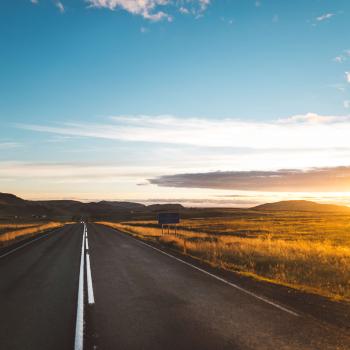
On the Road author Jack Kerouac embarked on his first cross-country road trip in 1947.
Students read a section from On the Road that deals with cross-country travel and reflects Kerouac's unique writing style. Students then attempt to write a narrative using Kerouac's stream-of-consciousness style.

Richard Wright was born in 1908.
Students read an appropriate excerpt from Black Boy, discuss the incident in which Richard gets into trouble, and write found poems.

The Smithsonian Institution was founded in 1846.
After exploring an exhibit online, students use the information they learned to write "A Day in the Life" narratives that tell about a person, animal, or object they saw in the exhibit.
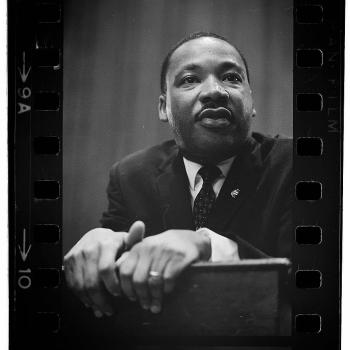
Dr. Martin Luther King, Jr. delivered his "I Have a Dream" speech in 1963.
Students explore the "I Have a Dream" Foundation's website and brainstorm ways they can help themselves or others at their school achieve their educational dreams.

The 19th Amendment to the U.S. Constitution gave women the right to vote in 1920.
A representative from the local chapter of the League of Women Voters is invited to talk to students about voting rights and what they can do to be active in politics.

Monarch butterflies begin their migration in the fall.
After exploring the ways that monarch butterflies react to seasons, students complete an inquiry study to examine how other things change because of the seasons and create a class anthology.
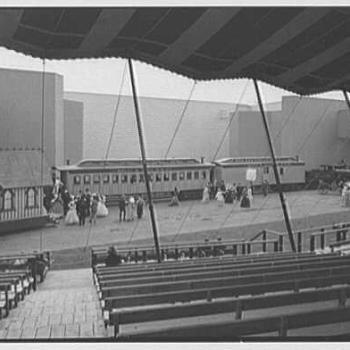
In 1870, the U.S. Transcontinental Railroad was completed.
Students access the National Park Service website and look at the webpage "The Last Spikes." Students explore different accounts of what happened as the railroad neared completion and discuss the nature of ceremonies.

The first woman swam the English Channel in 1926.
Students brainstorm a list of famous athletic competitors and establish criteria for what makes an athlete "famous." Students then forecast which of today's athletes will still be remembered in 75 to 100 years.