ReadWriteThink - Powered by NCTE
  • About
  • Classroom Resources
    • Lesson Plans
    • Teaching Comics
    • Teaching With Primary Resources
    • Calendar
    • Printouts
    • Student Interactives
  • Collections
    • Assessment
    • Authors
    • Booklists
    • Media Literacy
    • Poetry
    • Primary Sources
    • Writing
  • Professional Development
    • Strategy Guides
    • Professional Library
    • Meetings & Events
  • Join NCTE
  • Contact Us
  • About
  • Classroom Resources
    • Lesson Plans
    • Teaching Comics
    • Teaching With Primary Resources
    • Calendar
    • Printouts
    • Student Interactives
  • Collections
    • Assessment
    • Authors
    • Booklists
    • Media Literacy
    • Poetry
    • Primary Sources
    • Writing
  • Professional Development
    • Strategy Guides
    • Professional Library
    • Meetings & Events
  • Join NCTE
  • Contact Us
  • Facebook
  • Twitter
  • Instagram
  • Pinterest
  • YouTube

Breadcrumb

  1. Home

Type

  • Classroom Resources
  • Professional Development

Grades

  • 1 (40)
  • 2 (41)
  • 3 (110)
  • 4 (120)
  • 5 (152)
  • 6 (175)
  • 7 (193)
  • 9 (193)
  • 10 (189)
  • 11 (187)
  • 12 (187)
  • K (30)
  • (-) 8 (197)

Learning Objectives

  • (-) metacognition (197)
  • collaboration (183)
  • Comprehension (224)
  • critical thinking (353)
  • digital literacy (89)
  • Grammar (23)
  • inquiry / research (184)
  • listening (77)
  • literary analysis (146)
  • Media literacy (119)
  • multicultural awareness (65)
  • multimodal literacy (139)
  • oral communication (107)
  • phonological awareness (2)
  • print awareness (36)
  • reading fluency (16)
  • reading genres (145)
  • Spelling (14)
  • text structure / story structure (109)
  • Vocabulary (81)
  • writing genres (175)
  • writing process (158)

Topics

  • arts
  • careers
  • community
  • drama
  • ELL
  • Family
  • fiction
  • Mathematics
  • Mobile Learning
  • nonfiction
  • poetry
  • science
  • seasons / holidays
  • social action
  • social studies / history
  • Sports
  • STEM
It's Independence Day!  Or is it?
Grades
3 - 12
|
Calendar Activity
|
Historical Figure & Event
It's Independence Day! Or is it?
Students consider why there are so many different dates associated with the Declaration of Independence and why the nation's birthday is celebrated on July 4.

Annual fence-painting contests take place in Hannibal, Missouri.
Grades
3 - 8
|
Calendar Activity
|
Author & Text
Annual fence-painting contests take place in Hannibal, Missouri.
A scene from one of Twain's works is chosen and students map the story setting using the Story Map. Setting is then discussed as a class.
National Spelling Bee Finals are held this week.
Grades
7 - 12
|
Calendar Activity
|
Literacy-Related Event
National Spelling Bee Finals are held this week.

Students discuss why certain contests get more publicity than others and what counts as "knowledge."

Celebrate Juneteenth!
Grades
5 - 12
|
Calendar Activity
|
Holiday & School Celebration
Celebrate Juneteenth!

Students use the Venn Diagram to compare Juneteenth celebrations to Fourth of July celebrations and hypothesize about the differences.

June 14 is Flag Day in the U.S.
Grades
5 - 12
|
Calendar Activity
|
Holiday & School Celebration
June 14 is Flag Day in the U.S.
Students consider how America, Americans, and the flag are represented in different patriotic songs and hypothesize about the reasons for their differences.
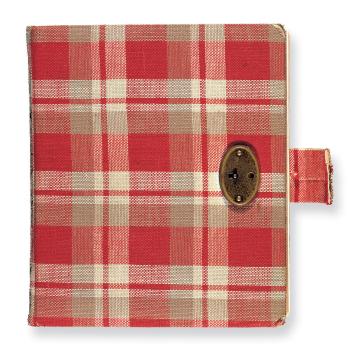
Anne Frank received her famous diary in 1942.
Grades
5 - 12
|
Calendar Activity
|
Historical Figure & Event
Anne Frank received her famous diary in 1942.
Students learn about eyewitness reports through a lesson that is grade-level appropriate. Then, groups use primary source documents and research an event using eyewitness accounts.
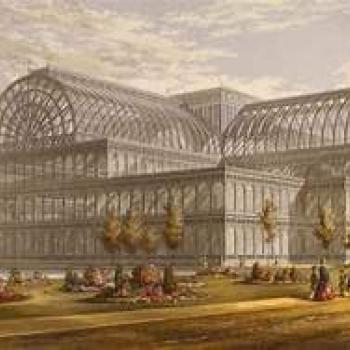
The Crystal Palace hosted the first display of life-size dinosaur replicas in 1854.
Grades
7 - 12
|
Calendar Activity
|
Historical Figure & Event
The Crystal Palace hosted the first display of life-size dinosaur replicas in 1854.
After learning about Hawkins' dinosaur replicas, students work individually or in small groups to investigate a dinosaur of their choice, comparing their findings to Hawkins'.
Charles Lindbergh began his transatlantic flight in 1927.
Grades
3 - 12
|
Calendar Activity
|
Historical Figure & Event
Charles Lindbergh began his transatlantic flight in 1927.
Students consider what is meant by the phrase "Human Hero," think of people who fit into the category, and read a biography of a selected hero.
Malcolm X was born in Nebraska in 1925.
Grades
5 - 12
|
Calendar Activity
|
Historical Figure & Event
Malcolm X was born in Nebraska in 1925.
Students write about the origin of their name and explore the names that Malcolm X used during this life.
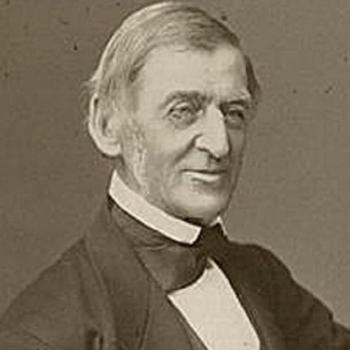
Ralph Waldo Emerson was born in 1803.
Grades
7 - 12
|
Calendar Activity
|
Author & Text
Ralph Waldo Emerson was born in 1803.
Students visit a quotation attributed to Emerson and identify the definition of success. Students then use the Postcard Creator to write a note to a person that they feel is successful.
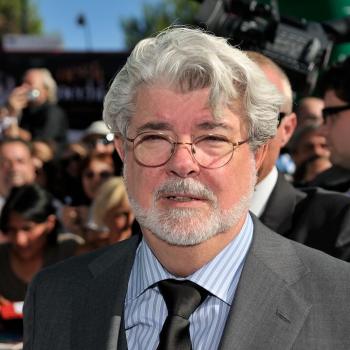
<em>Star Wars</em> creator George Lucas was born in 1944.
Grades
7 - 12
|
Calendar Activity
|
Historical Figure & Event
Star Wars creator George Lucas was born in 1944.
Students use the Hero's Journey interactive to describe how Luke Skywalker meets each stage of his journey, and then brainstorm other works that use the formula.
Teacher Appreciation Week honors our teachers.
Grades
3 - 12
|
Calendar Activity
|
Holiday & School Celebration
Teacher Appreciation Week honors our teachers.

In celebration of Teacher Appreciation Week, students read a book about a teacher and follow up with an activity related to the book using the Venn Diagram, Letter Generator, Story Map, or Essay Map.
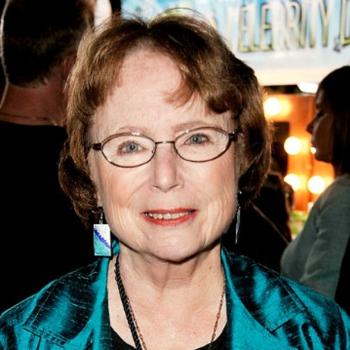
LoisDuncan
Grades
3 - 12
|
Calendar Activity
|
Author & Text
Author Lois Duncan was born on this date in 1934.

Mysteries are shared with students for them to solve and brainstorm the attributes of a good mystery. Small groups then compose short mysteries using the Mystery Cube.

In 1928, Maya Angelou was born.
Grades
7 - 12
|
Calendar Activity
|
Author & Text
In 1928, Maya Angelou was born.
After hearing Maya Angelou's poem, "On the Pulse of Morning," students infer information about the speaker and her feelings about America and reflect on how one's life and experiences can influence one's writing.
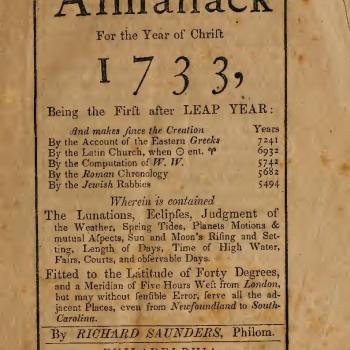
<em>Poor Richard's Almanack</em> was first published in 1733.
Grades
3 - 8
|
Calendar Activity
|
Historical Figure & Event
Poor Richard's Almanack was first published in 1733.
Students explore some of the proverbs taken from Poor Richard's Almanack, give their impressions or someone who would write these statements, and choose one saying to paraphrase.
The United States celebrates Thanksgiving Day today.
Grades
5 - 12
|
Calendar Activity
|
Holiday & School Celebration
The United States celebrates Thanksgiving Day today.

On this day, instead of teaching about a single day of Thanksgiving, use this as an opportunity to the concept of giving thanks.
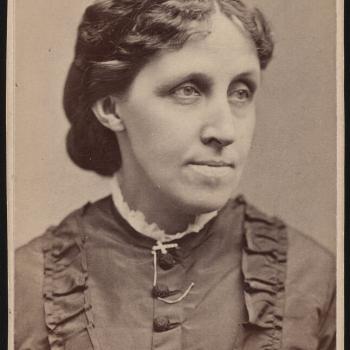
Louisa May Alcott was born in 1832.
Grades
7 - 12
|
Calendar Activity
|
Author & Text
Louisa May Alcott was born in 1832.
Students brainstorm important events and people that might serve as the beginning of an interesting piece of writing. They then use the Bio-Cube to plan their writing and write an essay about a memorable person.
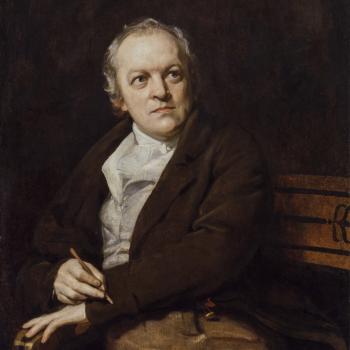
Poet William Blake was born in 1757.
Grades
5 - 12
|
Calendar Activity
|
Author & Text
Poet William Blake was born in 1757.
As a class, students brainstorm abstract concepts and personify that concept through a drawing or story told about the character who personifies that concept.
Today is World Hello Day!
Grades
5 - 12
|
Calendar Activity
|
Holiday & School Celebration
Today is World Hello Day!
Students study a letter written by a famous author to determine purpose, and words and phrases that make the letter meaningful. They can use the Letter Generator to write their own letter promoting peace.
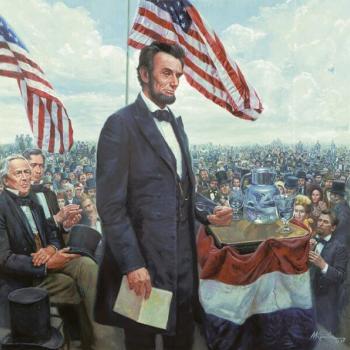
Abraham Lincoln delivered the Gettysburg Address in 1863.
Grades
7 - 12
|
Calendar Activity
|
Historical Figure & Event
Abraham Lincoln delivered the Gettysburg Address in 1863.
Students practice the Pre-AP strategy called SOAPSTone, identifying important parts of the Gettysburg Address and comparing it with John F. Kennedy's inaugural speech.

Pagination

  • First page « First
  • Previous page ‹‹
  • …
  • Page 2
  • Page 3
  • Page 4
  • Page 5
  • Page 6
  • Page 7
  • Page 8
  • Page 9
  • Page 10
  • Next page ››
  • Last page Last »

Explore Resources by Grade

  • KindergartenK
  • 1-2
  • 3-4
  • 5-6
  • 7-8
  • 9-10
  • 11-12

RWT-logo

Powered By NCTE

Footer 1 Menu

  • About
  • Classroom Resources
  • Professional Development
  • Collections
  • Contact Us

Footer 2 Menu

  • National Council of Teachers of English
  • Contribute to RWT
  • FAQs
  • Join NCTE

Footer 3 Menu

  • Legal Notices
  • Privacy Policy
  • Promotional Materials
  • Site Demonstrations

Want to stay in touch with RWT and NCTE? Sign up here!

  • Facebook
  • Twitter
  • Instagram
  • Pinterest
  • YouTube

© NCTE 2026. All rights reserved