As part of their study of Richard Wright's Black Boy, students research and reflect on the current black-white racial divide in America. By examining the work of literature in the context of contemporary events, students will deepen their understanding of the work and of what it means to be an American today.

Examining the Legacy of the American Civil Rights Era

The Great Service-Learning Debate & Research Project
Students debate about incorporating service-learning into their school's curriculum.

Analyzing Famous Speeches as Arguments
Students are often asked to perform speeches, but rarely do we require students to analyze speeches as carefully as we study works of literature. In this unit, students are required to identify the rhetorical strategies in a famous speech and the specific purpose for each chosen device. They will write an essay about its effectiveness and why it is still famous after all these years.
Communicating on Local Issues: Exploring Audience in Persuasive Letter Writing
Students will research a local issue, and then write letters to two different audiences, asking readers to take a related action or adopt a specific position on the issue.

Vote for Me! Making Presidential Commercials Using Avatars
After researching political platforms of past presidents through primary sources and other resources, students create commercials for these presidents using Voki, an online web tool that produces speaking avatars.

Teaching with Zooming Slideshows through Prezi
Through Prezi, a web application, students create "zooming" presentations for various purposes, such as presenting research, defending an opinion, or sharing a digital story.

Bringing Lessons to Life with Animoto
Using Animoto, a free Web 2.0 tool, students can develop short digital videos that include music, photos, video clips, and text as well as share their creations electronically.

Speak to Me: Teaching with Voki
Through Voki, a Web 2.0 tool, students create customizable avatars for class presentations for various purposes, such as presenting biographical information, expressing an opinion, or reading a poem.

The Peace Journey: Using Process Drama in the Classroom
What does peace mean to you? In this lesson, students attempt to answer this question as they write and perform a short skit that reflects their ideas of peace.

Exploring Disability Using Multimedia and the B-D-A Reading Strategy
History takes on new dimensions in this interactive multimedia lesson that emphasizes the B-D-A approach to research as students investigate the experiences of people with disabilities since the early 1800s.
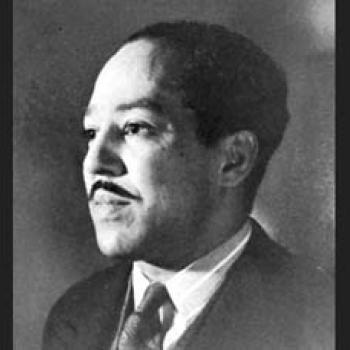
Discovering a Passion for Poetry With Langston Hughes
Through a study of Langston Hughes' poetry, students connect his writing to his place in history.
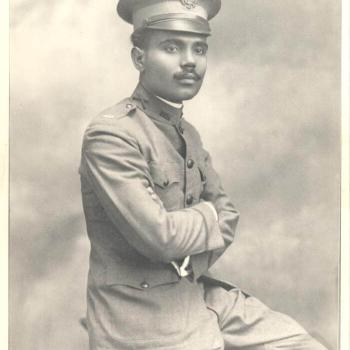
Pedro Albizu Campos leads the Puerto Rican Independence movement.
After learning about the story of Pedro Albizu Campos and his commitment to Puerto Rican independence, students research and share their learning about another nationalist figure from around the world.
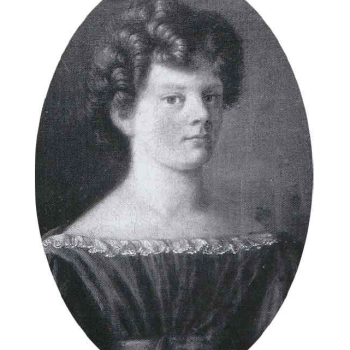
Black Beauty author Anna Sewell was born in 1820.
Through Sewell's novel, students explore the cruelty to animals and extend the discussion to current events, eventually presenting the information.

The Barbie doll was unveiled in 1959.
Students explore body image and advertising through an activity where they bring in pictures from magazines that they read and discuss gender representations in the media.
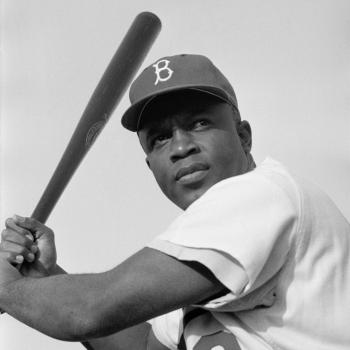
Jackie Robinson was born on this day in 1919.
Students read messages sent to the White House from Jackie Robinson and discuss his role as an athlete and a civil rights activist, as well as the role of athletes in society.

Faith Ringgold was born on October 8, 1930.
Students use Ringgold's books as a springboard for a discussion of race, gender, and civil rights, and then write and illustrate original picture books on these topics.

African American journalist Ida B. Wells was born in 1862.
Students brainstorm a list of human rights issues, research their group's issue in depth, examine the way journalists cover a story, and create articles for a classroom newspaper.

Malcolm X was born in Nebraska in 1925.
Students write about the origin of their name and explore the names that Malcolm X used during this life.

On this day in 1935, Elvis Presley was born.
Students visit the National Archives to read a letter written by Elvis Presley to President Nixon. The Letter Generator is used to write a letter to a current artist suggesting a meeting with the President.
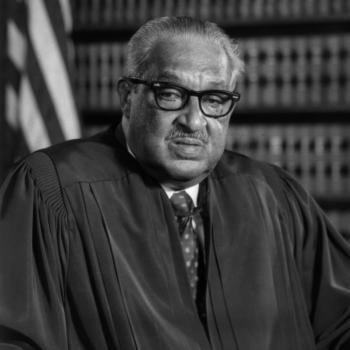
Thurgood Marshall was appointed to the Supreme Court in 1967.
After discussing a statement made by Thurgood Marshall, students consider each piece of the comment and create a K-W-L chart to begin an investigation with other resources.