ReadWriteThink - Powered by NCTE
  • About
  • Classroom Resources
    • Lesson Plans
    • Teaching Comics
    • Teaching With Primary Resources
    • Calendar
    • Printouts
    • Student Interactives
  • Collections
    • Assessment
    • Authors
    • Booklists
    • Media Literacy
    • Poetry
    • Primary Sources
    • Writing
  • Professional Development
    • Strategy Guides
    • Professional Library
    • Meetings & Events
  • Join NCTE
  • Contact Us
  • About
  • Classroom Resources
    • Lesson Plans
    • Teaching Comics
    • Teaching With Primary Resources
    • Calendar
    • Printouts
    • Student Interactives
  • Collections
    • Assessment
    • Authors
    • Booklists
    • Media Literacy
    • Poetry
    • Primary Sources
    • Writing
  • Professional Development
    • Strategy Guides
    • Professional Library
    • Meetings & Events
  • Join NCTE
  • Contact Us
  • Facebook
  • Twitter
  • Instagram
  • Pinterest
  • YouTube

Breadcrumb

  1. Home

Type

  • Classroom Resources
  • Professional Development

Grades

  • 1 (85)
  • 2 (90)
  • 3 (164)
  • 4 (172)
  • 5 (196)
  • 6 (271)
  • 7 (282)
  • 8 (283)
  • 9 (318)
  • 10 (315)
  • 11 (306)
  • 12 (306)
  • K (82)

Learning Objectives

  • (-) reading genres (290)
  • (-) writing genres (382)
  • collaboration (458)
  • Comprehension (508)
  • critical thinking (649)
  • digital literacy (154)
  • Grammar (57)
  • inquiry / research (350)
  • listening (182)
  • literary analysis (367)
  • Media literacy (205)
  • metacognition (302)
  • multicultural awareness (113)
  • multimodal literacy (260)
  • oral communication (224)
  • phonological awareness (61)
  • print awareness (89)
  • reading fluency (67)
  • Spelling (51)
  • text structure / story structure (242)
  • Vocabulary (191)
  • writing process (421)

Topics

  • arts
  • careers
  • community
  • drama
  • ELL
  • Family
  • fiction
  • Mathematics
  • Mobile Learning
  • nonfiction
  • poetry
  • science
  • seasons / holidays
  • social action
  • social studies / history
  • Sports
  • STEM
Science-fiction author Ray Bradbury was born in 1920.
Grades
7 - 12
|
Calendar Activity
|
Author & Text
Science-fiction author Ray Bradbury was born in 1920.
Students do a Bradbury author study and then create flyers to advertise their favorite story using the ReadWriteThink Printing Press.
Walter Dean Myers, author of the Printz Award-winning novel <em>Monster</em>, was born in 1937.
Grades
3 - 12
|
Calendar Activity
|
Author & Text
Walter Dean Myers, author of the Printz Award-winning novel Monster, was born in 1937.
Students discuss how the form of a film script affects the story, why the author may have selected this writing style, and write a story using a similar format.

Science writer Seymour Simon was born in 1931.
Grades
3 - 8
|
Calendar Activity
|
Author & Text
Science writer Seymour Simon was born in 1931.
Students select and explore a scientific topic in detail using Simon's nonfiction science books and then use what they learn to write original poetry on the topic.

Paperback books were first introduced in 1935.
Grades
3 - 8
|
Calendar Activity
|
Literacy-Related Event
Paperback books were first introduced in 1935.
Independent reading is promoted among students by organizing a paperback book swap in the classroom or with other classes at the same grade level.
African American journalist Ida B. Wells was born in 1862.
Grades
7 - 12
|
Calendar Activity
|
Author & Text
African American journalist Ida B. Wells was born in 1862.
Students brainstorm a list of human rights issues, research their group's issue in depth, examine the way journalists cover a story, and create articles for a classroom newspaper.
Today is Chris Van Allsburg's birthday.
Grades
3 - 12
|
Calendar Activity
|
Author & Text
Today is Chris Van Allsburg's birthday.
Students explore varying points of view, one of Van Allsburg's common themes, by rewriting a traditional story.
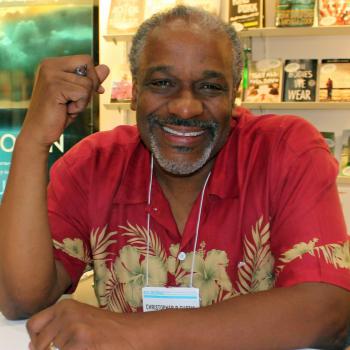
Newbery Medal winner Christopher Paul Curtis was born in 1953.
Grades
3 - 12
|
Calendar Activity
|
Author & Text
Newbery Medal winner Christopher Paul Curtis was born in 1953.
Students brainstorm a list of civil rights-related issues and use the Acrostic Poems interactive to create poems.
May is Get Caught Reading Month!
Grades
K - 12
|
Calendar Activity
|
Holiday & School Celebration
May is Get Caught Reading Month!
Students celebrate Get Caught Reading Month by doing a reading-related service project such as planning an intergenerational reading day or organizing a book drive.
Commercial ice cream is first sold in the U.S. in 1786.
Grades
5 - 12
|
Calendar Activity
|
Historical Figure & Event
Commercial ice cream is first sold in the U.S. in 1786.
After finding advertisements from the past, students evaluate them and discuss how ads have changed over the years. Students then create an advertisement for a new flavor of ice cream.
Poet Yusef Komunyakaa was born in 1947.
Grades
8 - 12
|
Calendar Activity
|
Author & Text
Poet Yusef Komunyakaa was born in 1947.
Students examine imagery in the work of Pulitzer Prize winner Yusef Komunyakaa.
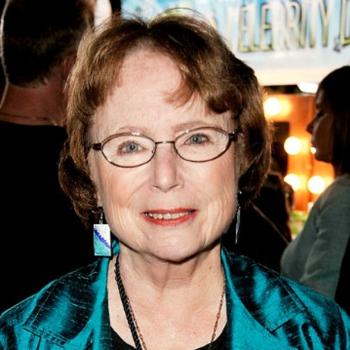
LoisDuncan
Grades
3 - 12
|
Calendar Activity
|
Author & Text
Author Lois Duncan was born on this date in 1934.

Mysteries are shared with students for them to solve and brainstorm the attributes of a good mystery. Small groups then compose short mysteries using the Mystery Cube.
April is National Poetry Month!
Grades
K - 12
|
Calendar Activity
|
Holiday & School Celebration
April is National Poetry Month!

Students are assigned to be "poets of the day" and are provided several models to create, illustrate, and present their different poems to the class.

In 1928, Maya Angelou was born.
Grades
7 - 12
|
Calendar Activity
|
Author & Text
In 1928, Maya Angelou was born.
After hearing Maya Angelou's poem, "On the Pulse of Morning," students infer information about the speaker and her feelings about America and reflect on how one's life and experiences can influence one's writing.
Hans Christian Andersen was born on this date in 1805.
Grades
7 - 12
|
Calendar Activity
|
Author & Text
Hans Christian Andersen was born on this date in 1805.
Students write a brief summary of one of Andersen's stories, and then read the original story and compare the two versions of the tale with the Venn Diagram tool.
Annie Moore becomes the first immigrant to enter Ellis Island in 1892.
Grades
3 - 12
|
Calendar Activity
|
Historical Figure & Event
Annie Moore becomes the first immigrant to enter Ellis Island in 1892.
Students explore online resources about Ellis Island, interview an immigrant in the area, and publish their stories.

It's Winter in the Northern Hemisphere!
Grades
K - 6
|
Calendar Activity
|
Holiday & School Celebration
It's Winter in the Northern Hemisphere!
Students brainstorm words or images that they associate with winter, select and read a picture book about winter, and compare the two using the interactive Venn Diagram.
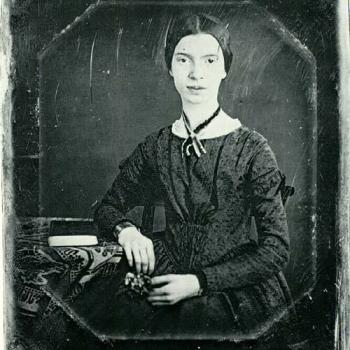
Poet Emily Dickinson was born in 1830.
Grades
9 - 12
|
Calendar Activity
|
Author & Text
Poet Emily Dickinson was born in 1830.
Students discuss Dickinson's poem "This Is My Letter To The World" and use it to focus on how audience affects voice.
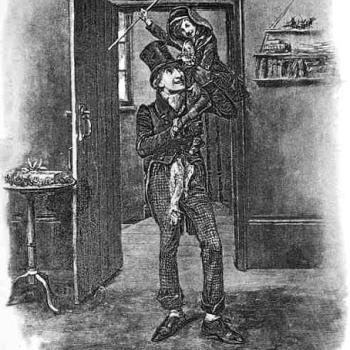
<em>A Christmas Carol</em> was the first book transmitted over radio!
Grades
7 - 12
|
Calendar Activity
|
Author & Text
A Christmas Carol was the first book transmitted over radio!
Students write a script for A Christmas Carol on a level that primary students can read and perform. Older students record the performance and create a website to showcase photographs.
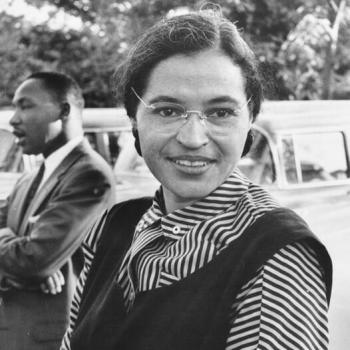
Rosa Parks was arrested for refusing to give up her seat on a bus.
Grades
5 - 12
|
Calendar Activity
|
Historical Figure & Event
Rosa Parks was arrested for refusing to give up her seat on a bus.
Students make believe that the year is 1955 and they just heard about Parks' arrest. Students write newspaper editorials with their points of view on segregation.
Author Eve Bunting was born in Ireland in 1928.
Grades
3 - 10
|
Calendar Activity
|
Author & Text
Author Eve Bunting was born in Ireland in 1928.

Students listen to a news article about the LA race riots and then read Smoky Night to discuss how a younger observer might be affected by these events and their perceptions.

Pagination

  • First page « First
  • Previous page ‹‹
  • …
  • Page 21
  • Page 22
  • Page 23
  • Page 24
  • Page 25
  • Page 26
  • Page 27
  • Page 28
  • Page 29
  • Next page ››
  • Last page Last »

Explore Resources by Grade

  • KindergartenK
  • 1-2
  • 3-4
  • 5-6
  • 7-8
  • 9-10
  • 11-12

RWT-logo

Powered By NCTE

Footer 1 Menu

  • About
  • Classroom Resources
  • Professional Development
  • Collections
  • Contact Us

Footer 2 Menu

  • National Council of Teachers of English
  • Contribute to RWT
  • FAQs
  • Join NCTE

Footer 3 Menu

  • Legal Notices
  • Privacy Policy
  • Promotional Materials
  • Site Demonstrations

Want to stay in touch with RWT and NCTE? Sign up here!

  • Facebook
  • Twitter
  • Instagram
  • Pinterest
  • YouTube

© NCTE 2026. All rights reserved