ReadWriteThink - Powered by NCTE
  • About
  • Classroom Resources
    • Lesson Plans
    • Teaching Comics
    • Teaching With Primary Resources
    • Calendar
    • Printouts
    • Student Interactives
  • Collections
    • Assessment
    • Authors
    • Booklists
    • Media Literacy
    • Poetry
    • Primary Sources
    • Writing
  • Professional Development
    • Strategy Guides
    • Professional Library
    • Meetings & Events
  • Join NCTE
  • Contact Us
  • About
  • Classroom Resources
    • Lesson Plans
    • Teaching Comics
    • Teaching With Primary Resources
    • Calendar
    • Printouts
    • Student Interactives
  • Collections
    • Assessment
    • Authors
    • Booklists
    • Media Literacy
    • Poetry
    • Primary Sources
    • Writing
  • Professional Development
    • Strategy Guides
    • Professional Library
    • Meetings & Events
  • Join NCTE
  • Contact Us
  • Facebook
  • Twitter
  • Instagram
  • Pinterest
  • YouTube

Breadcrumb

  1. Home

Type

  • Classroom Resources
  • Professional Development

Grades

  • 1 (91)
  • 2 (100)
  • 3 (224)
  • 4 (232)
  • 5 (284)
  • 6 (361)
  • 7 (381)
  • 8 (386)
  • 9 (402)
  • 10 (397)
  • 11 (390)
  • 12 (389)
  • K (71)

Learning Objectives

  • (-) critical thinking (649)
  • (-) digital literacy (154)
  • collaboration (458)
  • Comprehension (508)
  • Grammar (57)
  • inquiry / research (350)
  • listening (182)
  • literary analysis (367)
  • Media literacy (205)
  • metacognition (302)
  • multicultural awareness (113)
  • multimodal literacy (260)
  • oral communication (224)
  • phonological awareness (61)
  • print awareness (89)
  • reading fluency (67)
  • reading genres (290)
  • Spelling (51)
  • text structure / story structure (242)
  • Vocabulary (191)
  • writing genres (382)
  • writing process (421)

Topics

  • arts
  • careers
  • community
  • drama
  • ELL
  • Family
  • fiction
  • Mathematics
  • Mobile Learning
  • nonfiction
  • poetry
  • science
  • seasons / holidays
  • social action
  • social studies / history
  • Sports
  • STEM
Caldecott-winning illustrator Lane Smith was born in 1959.
Grades
3 - 12
|
Calendar Activity
|
Author & Text
Caldecott-winning illustrator Lane Smith was born in 1959.
Students discuss some of the ways in which illustrations can enhance a story and then become illustrators, using a variety of media.
Science-fiction author Ray Bradbury was born in 1920.
Grades
7 - 12
|
Calendar Activity
|
Author & Text
Science-fiction author Ray Bradbury was born in 1920.
Students do a Bradbury author study and then create flyers to advertise their favorite story using the ReadWriteThink Printing Press.
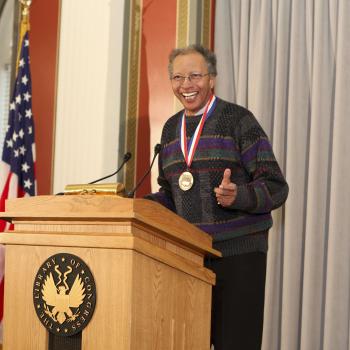
Walter Dean Myers, author of the Printz Award-winning novel <em>Monster</em>, was born in 1937.
Grades
3 - 12
|
Calendar Activity
|
Author & Text
Walter Dean Myers, author of the Printz Award-winning novel Monster, was born in 1937.
Students discuss how the form of a film script affects the story, why the author may have selected this writing style, and write a story using a similar format.
Alex Haley, author of <em>Roots</em>, was born in 1921.
Grades
5 - 12
|
Calendar Activity
|
Author & Text
Alex Haley, author of Roots, was born in 1921.
Students explore their own roots by interviewing family members and use their family history to write a fictional account of their roots.
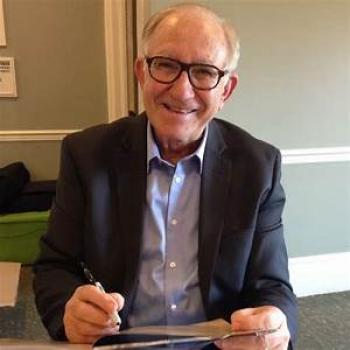
Science writer Seymour Simon was born in 1931.
Grades
3 - 8
|
Calendar Activity
|
Author & Text
Science writer Seymour Simon was born in 1931.
Students select and explore a scientific topic in detail using Simon's nonfiction science books and then use what they learn to write original poetry on the topic.
Author of <em>Tuck Everlasting</em>, Natalie Babbitt, was born in 1932.
Grades
9 - 12
|
Calendar Activity
|
Author & Text
Author of Tuck Everlasting, Natalie Babbitt, was born in 1932.
Students research the concept of immortality from beliefs around the world and compose a short story, myth, or poem that addresses immortality.
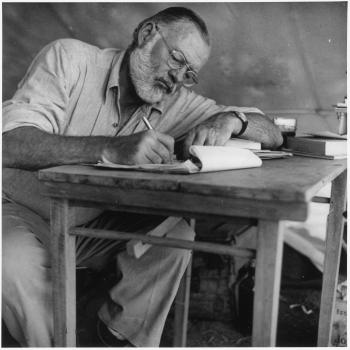
Novelist Ernest Hemingway was born on this day in 1899.
Grades
9 - 12
|
Calendar Activity
|
Author & Text
Novelist Ernest Hemingway was born on this day in 1899.
Students examine the ways different authors treat the subject of war in their writing and compare and contrast using the Venn Diagram interactive.
African American journalist Ida B. Wells was born in 1862.
Grades
7 - 12
|
Calendar Activity
|
Author & Text
African American journalist Ida B. Wells was born in 1862.
Students brainstorm a list of human rights issues, research their group's issue in depth, examine the way journalists cover a story, and create articles for a classroom newspaper.
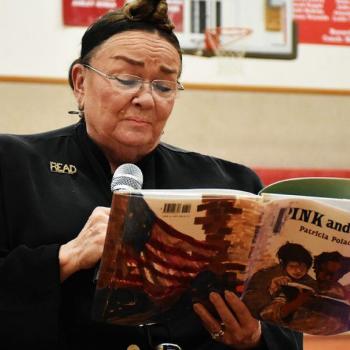
Children's author Patricia Polacco was born in 1944.
Grades
3 - 8
|
Calendar Activity
|
Author & Text
Children's author Patricia Polacco was born in 1944.
Students share family stories of their own by writing original poems and reviewing parts of speech using the Diamante Poems tool.
Today is Chris Van Allsburg's birthday.
Grades
3 - 12
|
Calendar Activity
|
Author & Text
Today is Chris Van Allsburg's birthday.
Students explore varying points of view, one of Van Allsburg's common themes, by rewriting a traditional story.
Brian Jacques, author of the Redwall series, was born in 1939.
Grades
5 - 10
|
Calendar Activity
|
Author & Text
Brian Jacques, author of the Redwall series, was born in 1939.
After students have read one of Brian Jacques' Redwall stories, a class newspaper is created based on the story.
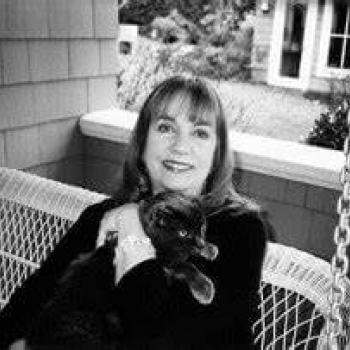
Celebrate Cynthia Rylant's birthday!
Grades
K - 8
|
Calendar Activity
|
Author & Text
Celebrate Cynthia Rylant's birthday!
Students work in small groups or as a class to map the plot of a selected Cynthia Rylant story and create original literary works using the plot diagrams.
CNN debuted as the first television news network in 1980.
Grades
3 - 12
|
Calendar Activity
|
Historical Figure & Event
CNN debuted as the first television news network in 1980.
Students brainstorm a list of modern news sources and from previous centuries. Groups then research one of these sources and create a timeline showing the evolution of news.
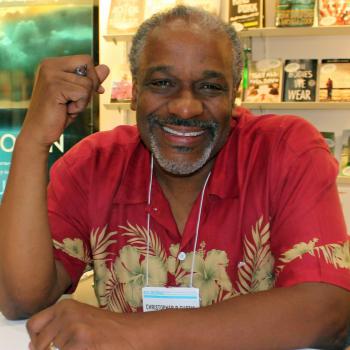
Newbery Medal winner Christopher Paul Curtis was born in 1953.
Grades
3 - 12
|
Calendar Activity
|
Author & Text
Newbery Medal winner Christopher Paul Curtis was born in 1953.
Students brainstorm a list of civil rights-related issues and use the Acrostic Poems interactive to create poems.
Author Laura Joffe Numeroff was born in 1953.
Grades
K - 5
|
Calendar Activity
|
Author & Text
Author Laura Joffe Numeroff was born in 1953.
Using one of Numeroff's books as a model, students use the circle plot structure as a culminating project for a unit of study completed in the classroom.

Write letters that make things happen!
Grades
1 - 12
|
Calendar Activity
|
Historical Figure & Event
Write letters that make things happen!
In a small group or as individuals, students write letters related to a unit of study or particular topic they have studied.
The Pied Piper led the children out of Hamelin in 1376.
Grades
7 - 12
|
Calendar Activity
|
Historical Figure & Event
The Pied Piper led the children out of Hamelin in 1376.

After listening to The Amazing Maurice and His Educated Rodents, students compare Pratchett's version with Browning's version and discuss how perspective changes the story.

In 1969, the first human walked on the moon.
Grades
9 - 12
|
Calendar Activity
|
Historical Figure & Event
In 1969, the first human walked on the moon.
As a class, students discuss Neil Armstrong's famous quote when he landed on the moon and explore the difference that one word can make, as well as the gendered language that Armstrong uses.
Children's publisher John Newbery was born in 1713.
Grades
3 - 8
|
Calendar Activity
|
Author & Text
Children's publisher John Newbery was born in 1713.
Each student chooses a book that is special and writes a short story about why it deserves special mention. Students can plan the pages of their own stories and then make a Stapleless Book or use the ReadWriteThink Printing Press.
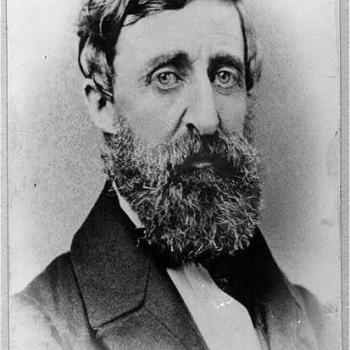
Henry David Thoreau was born in 1817.
Grades
1 - 12
|
Calendar Activity
|
Author & Text
Henry David Thoreau was born in 1817.
Students make mental "snapshots" of a natural setting, then capture the details of their setting by writing and then creating a class booklet of the nature walk.

Pagination

  • First page « First
  • Previous page ‹‹
  • …
  • Page 24
  • Page 25
  • Page 26
  • Page 27
  • Page 28
  • Page 29
  • Page 30
  • Page 31
  • Page 32
  • …
  • Next page ››
  • Last page Last »

Explore Resources by Grade

  • KindergartenK
  • 1-2
  • 3-4
  • 5-6
  • 7-8
  • 9-10
  • 11-12

RWT-logo

Powered By NCTE

Footer 1 Menu

  • About
  • Classroom Resources
  • Professional Development
  • Collections
  • Contact Us

Footer 2 Menu

  • National Council of Teachers of English
  • Contribute to RWT
  • FAQs
  • Join NCTE

Footer 3 Menu

  • Legal Notices
  • Privacy Policy
  • Promotional Materials
  • Site Demonstrations

Want to stay in touch with RWT and NCTE? Sign up here!

  • Facebook
  • Twitter
  • Instagram
  • Pinterest
  • YouTube

© NCTE 2026. All rights reserved