ReadWriteThink - Powered by NCTE
  • About
  • Classroom Resources
    • Lesson Plans
    • Teaching Comics
    • Teaching With Primary Resources
    • Calendar
    • Printouts
    • Student Interactives
  • Collections
    • Assessment
    • Authors
    • Booklists
    • Media Literacy
    • Poetry
    • Primary Sources
    • Writing
  • Professional Development
    • Strategy Guides
    • Professional Library
    • Meetings & Events
  • Join NCTE
  • Contact Us
  • About
  • Classroom Resources
    • Lesson Plans
    • Teaching Comics
    • Teaching With Primary Resources
    • Calendar
    • Printouts
    • Student Interactives
  • Collections
    • Assessment
    • Authors
    • Booklists
    • Media Literacy
    • Poetry
    • Primary Sources
    • Writing
  • Professional Development
    • Strategy Guides
    • Professional Library
    • Meetings & Events
  • Join NCTE
  • Contact Us
  • Facebook
  • Twitter
  • Instagram
  • Pinterest
  • YouTube

Breadcrumb

  1. Home

Type

  • Classroom Resources
  • Professional Development

Grades

  • 1 (102)
  • 2 (108)
  • 3 (184)
  • 4 (184)
  • 5 (201)
  • 6 (237)
  • 7 (240)
  • 8 (240)
  • 9 (230)
  • 10 (228)
  • 11 (227)
  • 12 (226)
  • K (87)

Learning Objectives

  • (-) Comprehension (508)
  • (-) print awareness (89)
  • collaboration (458)
  • critical thinking (649)
  • digital literacy (154)
  • Grammar (57)
  • inquiry / research (350)
  • listening (182)
  • literary analysis (367)
  • Media literacy (205)
  • metacognition (302)
  • multicultural awareness (113)
  • multimodal literacy (260)
  • oral communication (224)
  • phonological awareness (61)
  • reading fluency (67)
  • reading genres (290)
  • Spelling (51)
  • text structure / story structure (242)
  • Vocabulary (191)
  • writing genres (382)
  • writing process (421)

Topics

  • arts
  • careers
  • community
  • drama
  • ELL
  • Family
  • fiction
  • Mathematics
  • Mobile Learning
  • nonfiction
  • poetry
  • science
  • seasons / holidays
  • social action
  • social studies / history
  • Sports
  • STEM
Coretta Scott King was born on this day in 1927.
Grades
3 - 12
|
Calendar Activity
|
Author & Text
Coretta Scott King was born on this day in 1927.
Students do a book report assignment based on a current or past winner of the Coretta Scott King Book Award.
Avi was born in 1937.
Grades
5 - 12
|
Calendar Activity
|
Author & Text
Avi was born in 1937.
After reading Nothing But the Truth, students explore a current event topic and write their own short work of fiction in a similar multigenre format.
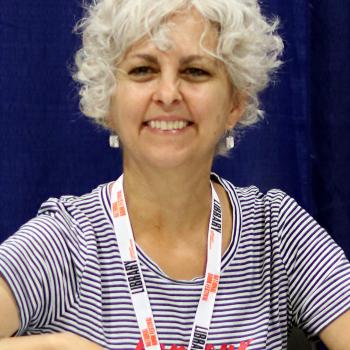
Celebrate Kate DiCamillo's birthday today.
Grades
3 - 6
|
Calendar Activity
|
Author & Text
Celebrate Kate DiCamillo's birthday today.
After examining the characters in one of DiCamillo's stories, students write original short stories featuring animals as central characters.
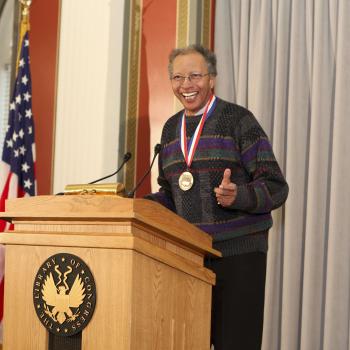
Walter Dean Myers, author of the Printz Award-winning novel <em>Monster</em>, was born in 1937.
Grades
3 - 12
|
Calendar Activity
|
Author & Text
Walter Dean Myers, author of the Printz Award-winning novel Monster, was born in 1937.
Students discuss how the form of a film script affects the story, why the author may have selected this writing style, and write a story using a similar format.
Author of <em>Tuck Everlasting</em>, Natalie Babbitt, was born in 1932.
Grades
9 - 12
|
Calendar Activity
|
Author & Text
Author of Tuck Everlasting, Natalie Babbitt, was born in 1932.
Students research the concept of immortality from beliefs around the world and compose a short story, myth, or poem that addresses immortality.
African American journalist Ida B. Wells was born in 1862.
Grades
7 - 12
|
Calendar Activity
|
Author & Text
African American journalist Ida B. Wells was born in 1862.
Students brainstorm a list of human rights issues, research their group's issue in depth, examine the way journalists cover a story, and create articles for a classroom newspaper.
Author Laura Joffe Numeroff was born in 1953.
Grades
K - 5
|
Calendar Activity
|
Author & Text
Author Laura Joffe Numeroff was born in 1953.
Using one of Numeroff's books as a model, students use the circle plot structure as a culminating project for a unit of study completed in the classroom.
The Pied Piper led the children out of Hamelin in 1376.
Grades
7 - 12
|
Calendar Activity
|
Historical Figure & Event
The Pied Piper led the children out of Hamelin in 1376.

After listening to The Amazing Maurice and His Educated Rodents, students compare Pratchett's version with Browning's version and discuss how perspective changes the story.

Annual fence-painting contests take place in Hannibal, Missouri.
Grades
3 - 8
|
Calendar Activity
|
Author & Text
Annual fence-painting contests take place in Hannibal, Missouri.
A scene from one of Twain's works is chosen and students map the story setting using the Story Map. Setting is then discussed as a class.
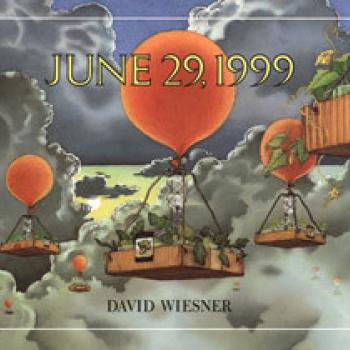
David Wiesner's book <em>June 29, 1999</em> showcases this day.
Grades
3 - 6
|
Calendar Activity
|
Author & Text
David Wiesner's book June 29, 1999 showcases this day.
Students explore the delightful illustrations in Wiesner's book and identify elements that make the emotions in the story obvious to someone reading the book.
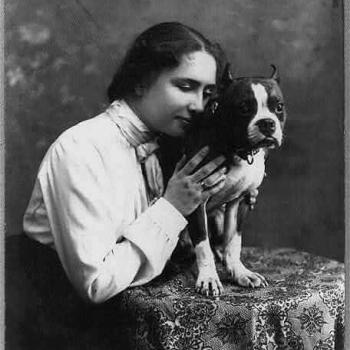
Helen Keller was born in 1880.
Grades
5 - 12
|
Calendar Activity
|
Historical Figure & Event
Helen Keller was born in 1880.
In the spirit of Helen Keller, students explore the American Sign Language Browser from Michigan State University and try using a few signs.
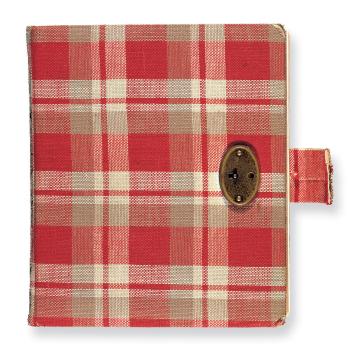
Anne Frank received her famous diary in 1942.
Grades
5 - 12
|
Calendar Activity
|
Historical Figure & Event
Anne Frank received her famous diary in 1942.
Students learn about eyewitness reports through a lesson that is grade-level appropriate. Then, groups use primary source documents and research an event using eyewitness accounts.

National Public Radio began broadcasting in 1971.
Grades
7 - 12
|
Calendar Activity
|
Historical Figure & Event
National Public Radio began broadcasting in 1971.
Students make predictions about the content of some of NPR's programs, then listen to the programs and report on the contents and discuss with the class.
Commercial ice cream is first sold in the U.S. in 1786.
Grades
5 - 12
|
Calendar Activity
|
Historical Figure & Event
Commercial ice cream is first sold in the U.S. in 1786.
After finding advertisements from the past, students evaluate them and discuss how ads have changed over the years. Students then create an advertisement for a new flavor of ice cream.

<em>Star Wars</em> creator George Lucas was born in 1944.
Grades
7 - 12
|
Calendar Activity
|
Historical Figure & Event
Star Wars creator George Lucas was born in 1944.
Students use the Hero's Journey interactive to describe how Luke Skywalker meets each stage of his journey, and then brainstorm other works that use the formula.
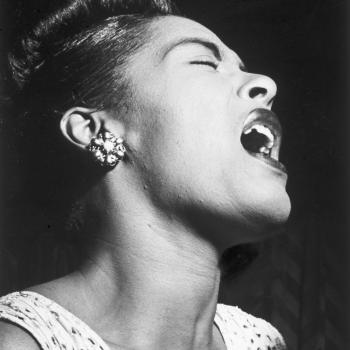
Jazz and blues singer Billie Holiday was born in 1915.
Grades
9 - 12
|
Calendar Activity
|
Historical Figure & Event
Jazz and blues singer Billie Holiday was born in 1915.
Students listen to Holiday's song "Strange Fruit" and identify powerful and descriptive images for a mini-lesson on tone and about the lynchings in the South during this time.
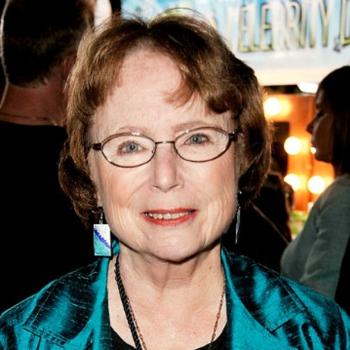
LoisDuncan
Grades
3 - 12
|
Calendar Activity
|
Author & Text
Author Lois Duncan was born on this date in 1934.

Mysteries are shared with students for them to solve and brainstorm the attributes of a good mystery. Small groups then compose short mysteries using the Mystery Cube.

Hans Christian Andersen was born on this date in 1805.
Grades
7 - 12
|
Calendar Activity
|
Author & Text
Hans Christian Andersen was born on this date in 1805.
Students write a brief summary of one of Andersen's stories, and then read the original story and compare the two versions of the tale with the Venn Diagram tool.
The RMS <em>Titanic</em> sank on this day in 1912.
Grades
3 - 12
|
Calendar Activity
|
Historical Figure & Event
The RMS Titanic sank on this day in 1912.
Students use the Internet Workshop model to explore web links about the Titanic disaster.
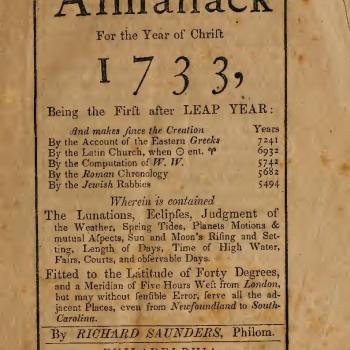
<em>Poor Richard's Almanack</em> was first published in 1733.
Grades
3 - 8
|
Calendar Activity
|
Historical Figure & Event
Poor Richard's Almanack was first published in 1733.
Students explore some of the proverbs taken from Poor Richard's Almanack, give their impressions or someone who would write these statements, and choose one saying to paraphrase.

Pagination

  • First page « First
  • Previous page ‹‹
  • …
  • Page 20
  • Page 21
  • Page 22
  • Page 23
  • Page 24
  • Page 25
  • Page 26
  • Page 27
  • Page 28
  • Next page ››
  • Last page Last »

Explore Resources by Grade

  • KindergartenK
  • 1-2
  • 3-4
  • 5-6
  • 7-8
  • 9-10
  • 11-12

RWT-logo

Powered By NCTE

Footer 1 Menu

  • About
  • Classroom Resources
  • Professional Development
  • Collections
  • Contact Us

Footer 2 Menu

  • National Council of Teachers of English
  • Contribute to RWT
  • FAQs
  • Join NCTE

Footer 3 Menu

  • Legal Notices
  • Privacy Policy
  • Promotional Materials
  • Site Demonstrations

Want to stay in touch with RWT and NCTE? Sign up here!

  • Facebook
  • Twitter
  • Instagram
  • Pinterest
  • YouTube

© NCTE 2026. All rights reserved