ReadWriteThink - Powered by NCTE
  • About
  • Classroom Resources
    • Lesson Plans
    • Teaching Comics
    • Teaching With Primary Resources
    • Calendar
    • Printouts
    • Student Interactives
  • Collections
    • Assessment
    • Authors
    • Booklists
    • Media Literacy
    • Poetry
    • Primary Sources
    • Writing
  • Professional Development
    • Strategy Guides
    • Professional Library
    • Meetings & Events
  • Join NCTE
  • Contact Us
  • About
  • Classroom Resources
    • Lesson Plans
    • Teaching Comics
    • Teaching With Primary Resources
    • Calendar
    • Printouts
    • Student Interactives
  • Collections
    • Assessment
    • Authors
    • Booklists
    • Media Literacy
    • Poetry
    • Primary Sources
    • Writing
  • Professional Development
    • Strategy Guides
    • Professional Library
    • Meetings & Events
  • Join NCTE
  • Contact Us
  • Facebook
  • Twitter
  • Instagram
  • Pinterest
  • YouTube

Breadcrumb

  1. Home

Type

  • Classroom Resources
  • Professional Development

Grades

  • 1 (67)
  • 2 (73)
  • 3 (153)
  • 4 (162)
  • 5 (195)
  • 6 (230)
  • 7 (254)
  • 8 (258)
  • 9 (293)
  • 10 (289)
  • 11 (280)
  • 12 (280)
  • K (62)

Learning Objectives

  • (-) Media literacy (205)
  • (-) writing genres (382)
  • collaboration (458)
  • Comprehension (508)
  • critical thinking (649)
  • digital literacy (154)
  • Grammar (57)
  • inquiry / research (350)
  • listening (182)
  • literary analysis (367)
  • metacognition (302)
  • multicultural awareness (113)
  • multimodal literacy (260)
  • oral communication (224)
  • phonological awareness (61)
  • print awareness (89)
  • reading fluency (67)
  • reading genres (290)
  • Spelling (51)
  • text structure / story structure (242)
  • Vocabulary (191)
  • writing process (421)

Topics

  • arts
  • careers
  • community
  • drama
  • ELL
  • Family
  • fiction
  • Mathematics
  • Mobile Learning
  • nonfiction
  • poetry
  • science
  • seasons / holidays
  • social action
  • social studies / history
  • Sports
  • STEM
Karen Hesse, author of the Newbery-winning verse novel <em>Out of the Dust</em>, was born in 1952.
Grades
7 - 12
|
Calendar Activity
|
Author & Text
Karen Hesse, author of the Newbery-winning verse novel Out of the Dust, was born in 1952.

Students write original short works of historical fiction in verse format, modeling the style Hesse used to write Out of the Dust.

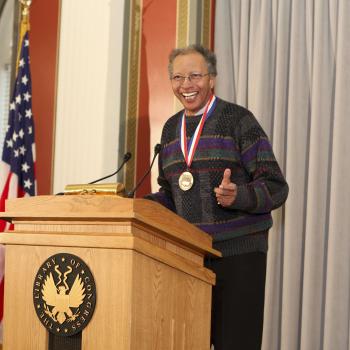
Walter Dean Myers, author of the Printz Award-winning novel <em>Monster</em>, was born in 1937.
Grades
3 - 12
|
Calendar Activity
|
Author & Text
Walter Dean Myers, author of the Printz Award-winning novel Monster, was born in 1937.
Students discuss how the form of a film script affects the story, why the author may have selected this writing style, and write a story using a similar format.
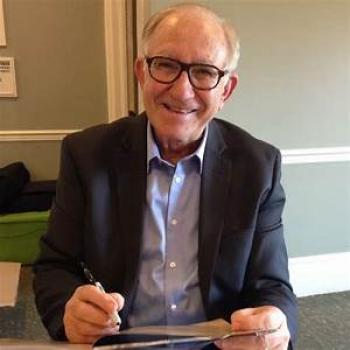
Science writer Seymour Simon was born in 1931.
Grades
3 - 8
|
Calendar Activity
|
Author & Text
Science writer Seymour Simon was born in 1931.
Students select and explore a scientific topic in detail using Simon's nonfiction science books and then use what they learn to write original poetry on the topic.
African American journalist Ida B. Wells was born in 1862.
Grades
7 - 12
|
Calendar Activity
|
Author & Text
African American journalist Ida B. Wells was born in 1862.
Students brainstorm a list of human rights issues, research their group's issue in depth, examine the way journalists cover a story, and create articles for a classroom newspaper.
Today is Chris Van Allsburg's birthday.
Grades
3 - 12
|
Calendar Activity
|
Author & Text
Today is Chris Van Allsburg's birthday.
Students explore varying points of view, one of Van Allsburg's common themes, by rewriting a traditional story.
Brian Jacques, author of the Redwall series, was born in 1939.
Grades
5 - 10
|
Calendar Activity
|
Author & Text
Brian Jacques, author of the Redwall series, was born in 1939.
After students have read one of Brian Jacques' Redwall stories, a class newspaper is created based on the story.
CNN debuted as the first television news network in 1980.
Grades
3 - 12
|
Calendar Activity
|
Historical Figure & Event
CNN debuted as the first television news network in 1980.
Students brainstorm a list of modern news sources and from previous centuries. Groups then research one of these sources and create a timeline showing the evolution of news.
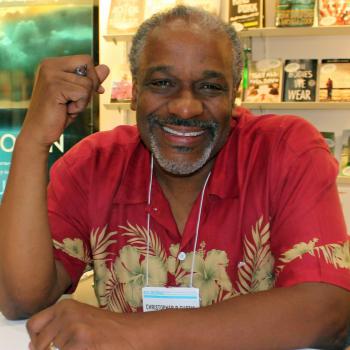
Newbery Medal winner Christopher Paul Curtis was born in 1953.
Grades
3 - 12
|
Calendar Activity
|
Author & Text
Newbery Medal winner Christopher Paul Curtis was born in 1953.
Students brainstorm a list of civil rights-related issues and use the Acrostic Poems interactive to create poems.
The first typewriter patent was awarded in 1868.
Grades
3 - 12
|
Calendar Activity
|
Historical Figure & Event
The first typewriter patent was awarded in 1868.
Students take part in an inquiry-based study that compares typewriters to computers.
June 14 is Flag Day in the U.S.
Grades
5 - 12
|
Calendar Activity
|
Holiday & School Celebration
June 14 is Flag Day in the U.S.
Students consider how America, Americans, and the flag are represented in different patriotic songs and hypothesize about the reasons for their differences.
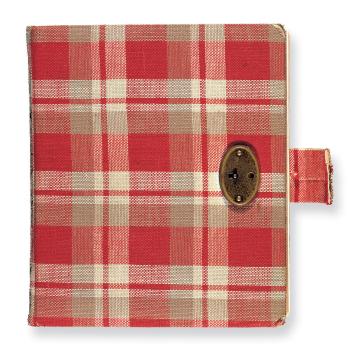
Anne Frank received her famous diary in 1942.
Grades
5 - 12
|
Calendar Activity
|
Historical Figure & Event
Anne Frank received her famous diary in 1942.
Students learn about eyewitness reports through a lesson that is grade-level appropriate. Then, groups use primary source documents and research an event using eyewitness accounts.
Sally Ride, first American woman in space, was born in 1951.
Grades
3 - 8
|
Calendar Activity
|
Historical Figure & Event
Sally Ride, first American woman in space, was born in 1951.
After exploring information about Sally Ride on the StarKids Who's Who site, students write a letter using the Letter Generator to Dr. Ride's foundation, Sally Ride Science.

National Public Radio began broadcasting in 1971.
Grades
7 - 12
|
Calendar Activity
|
Historical Figure & Event
National Public Radio began broadcasting in 1971.
Students make predictions about the content of some of NPR's programs, then listen to the programs and report on the contents and discuss with the class.
Commercial ice cream is first sold in the U.S. in 1786.
Grades
5 - 12
|
Calendar Activity
|
Historical Figure & Event
Commercial ice cream is first sold in the U.S. in 1786.
After finding advertisements from the past, students evaluate them and discuss how ads have changed over the years. Students then create an advertisement for a new flavor of ice cream.
<em>Mister Rogers' Neighborhood</em> premiered in 1967.
Grades
7 - 12
|
Calendar Activity
|
Historical Figure & Event
Mister Rogers' Neighborhood premiered in 1968.

After thinking about TV shows, books, and movies from their childhood, students write about what they remember and revisit how they feel about it at an older age.

The first Academy Awards ceremony was held in 1929.
Grades
5 - 12
|
Calendar Activity
|
Historical Figure & Event
The first Academy Awards ceremony was held in 1929.
Students make lists of their favorite and least favorite movies and brainstorm qualities that make a film good or bad. Next, students write a movie review for a film they have seen.
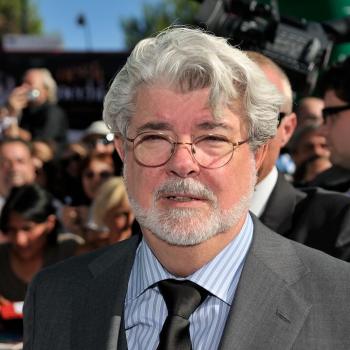
<em>Star Wars</em> creator George Lucas was born in 1944.
Grades
7 - 12
|
Calendar Activity
|
Historical Figure & Event
Star Wars creator George Lucas was born in 1944.
Students use the Hero's Journey interactive to describe how Luke Skywalker meets each stage of his journey, and then brainstorm other works that use the formula.
Poet Yusef Komunyakaa was born in 1947.
Grades
8 - 12
|
Calendar Activity
|
Author & Text
Poet Yusef Komunyakaa was born in 1947.
Students examine imagery in the work of Pulitzer Prize winner Yusef Komunyakaa.
April is National Poetry Month!
Grades
K - 12
|
Calendar Activity
|
Holiday & School Celebration
April is National Poetry Month!

Students are assigned to be "poets of the day" and are provided several models to create, illustrate, and present their different poems to the class.

In 1928, Maya Angelou was born.
Grades
7 - 12
|
Calendar Activity
|
Author & Text
In 1928, Maya Angelou was born.
After hearing Maya Angelou's poem, "On the Pulse of Morning," students infer information about the speaker and her feelings about America and reflect on how one's life and experiences can influence one's writing.

Pagination

  • First page « First
  • Previous page ‹‹
  • …
  • Page 19
  • Page 20
  • Page 21
  • Page 22
  • Page 23
  • Page 24
  • Page 25
  • Page 26
  • Page 27
  • Next page ››
  • Last page Last »

Explore Resources by Grade

  • KindergartenK
  • 1-2
  • 3-4
  • 5-6
  • 7-8
  • 9-10
  • 11-12

RWT-logo

Powered By NCTE

Footer 1 Menu

  • About
  • Classroom Resources
  • Professional Development
  • Collections
  • Contact Us

Footer 2 Menu

  • National Council of Teachers of English
  • Contribute to RWT
  • FAQs
  • Join NCTE

Footer 3 Menu

  • Legal Notices
  • Privacy Policy
  • Promotional Materials
  • Site Demonstrations

Want to stay in touch with RWT and NCTE? Sign up here!

  • Facebook
  • Twitter
  • Instagram
  • Pinterest
  • YouTube

© NCTE 2026. All rights reserved