ReadWriteThink - Powered by NCTE
  • About
  • Classroom Resources
    • Lesson Plans
    • Teaching Comics
    • Teaching With Primary Resources
    • Calendar
    • Printouts
    • Student Interactives
  • Collections
    • Assessment
    • Authors
    • Booklists
    • Media Literacy
    • Poetry
    • Primary Sources
    • Writing
  • Professional Development
    • Strategy Guides
    • Professional Library
    • Meetings & Events
  • Join NCTE
  • Contact Us
  • About
  • Classroom Resources
    • Lesson Plans
    • Teaching Comics
    • Teaching With Primary Resources
    • Calendar
    • Printouts
    • Student Interactives
  • Collections
    • Assessment
    • Authors
    • Booklists
    • Media Literacy
    • Poetry
    • Primary Sources
    • Writing
  • Professional Development
    • Strategy Guides
    • Professional Library
    • Meetings & Events
  • Join NCTE
  • Contact Us
  • Facebook
  • Twitter
  • Instagram
  • Pinterest
  • YouTube

Breadcrumb

  1. Home

Type

  • Classroom Resources
  • Professional Development

Grades

  • 1 (145)
  • 2 (156)
  • 3 (305)
  • 4 (310)
  • 5 (362)
  • 6 (418)
  • 7 (435)
  • 8 (442)
  • 9 (475)
  • 10 (470)
  • 11 (460)
  • 12 (459)
  • K (123)

Learning Objectives

  • (-) critical thinking (649)
  • (-) writing process (421)
  • collaboration (458)
  • Comprehension (508)
  • digital literacy (154)
  • Grammar (57)
  • inquiry / research (350)
  • listening (182)
  • literary analysis (367)
  • Media literacy (205)
  • metacognition (302)
  • multicultural awareness (113)
  • multimodal literacy (260)
  • oral communication (224)
  • phonological awareness (61)
  • print awareness (89)
  • reading fluency (67)
  • reading genres (290)
  • Spelling (51)
  • text structure / story structure (242)
  • Vocabulary (191)
  • writing genres (382)

Topics

  • arts
  • careers
  • community
  • drama
  • ELL
  • Family
  • fiction
  • Mathematics
  • Mobile Learning
  • nonfiction
  • poetry
  • science
  • seasons / holidays
  • social action
  • social studies / history
  • Sports
  • STEM
Author Eve Bunting was born in Ireland in 1928.
Grades
3 - 10
|
Calendar Activity
|
Author & Text
Author Eve Bunting was born in Ireland in 1928.

Students listen to a news article about the LA race riots and then read Smoky Night to discuss how a younger observer might be affected by these events and their perceptions.

Author Joel Chandler Harris was born in 1848.
Grades
9 - 12
|
Calendar Activity
|
Author & Text
Author Joel Chandler Harris was born in 1848.
Students study how regional dialect is written phonetically by reading a segment of Harris' story, as well as two others, and compare them using the Interactive Venn Diagram.
Grades
9 - 12
|
Calendar Activity
|
Historical Figure & Event
Pearl Harbor was attacked by the Japanese in 1941.
Students use the Interactive Venn Diagram to compare the bombing of Pearl Harbor to the attacks on America on September 11, 2001.
The United States celebrates Thanksgiving Day today.
Grades
5 - 12
|
Calendar Activity
|
Holiday & School Celebration
The United States celebrates Thanksgiving Day today.

On this day, instead of teaching about a single day of Thanksgiving, use this as an opportunity to the concept of giving thanks.
Louisa May Alcott was born in 1832.
Grades
7 - 12
|
Calendar Activity
|
Author & Text
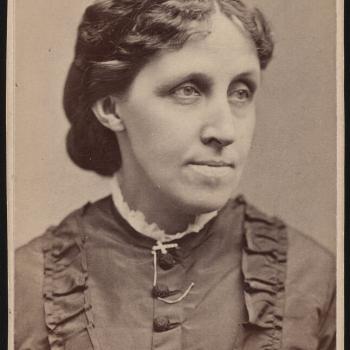
Louisa May Alcott was born in 1832.
Students brainstorm important events and people that might serve as the beginning of an interesting piece of writing. They then use the Bio-Cube to plan their writing and write an essay about a memorable person.
Poet William Blake was born in 1757.
Grades
5 - 12
|
Calendar Activity
|
Author & Text
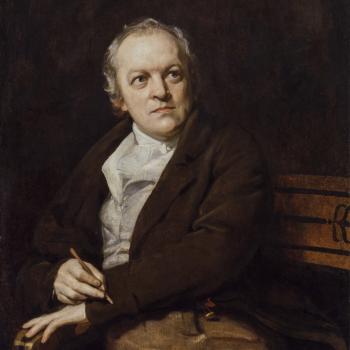
Poet William Blake was born in 1757.
As a class, students brainstorm abstract concepts and personify that concept through a drawing or story told about the character who personifies that concept.
Today is World Hello Day!
Grades
5 - 12
|
Calendar Activity
|
Holiday & School Celebration
Today is World Hello Day!
Students study a letter written by a famous author to determine purpose, and words and phrases that make the letter meaningful. They can use the Letter Generator to write their own letter promoting peace.
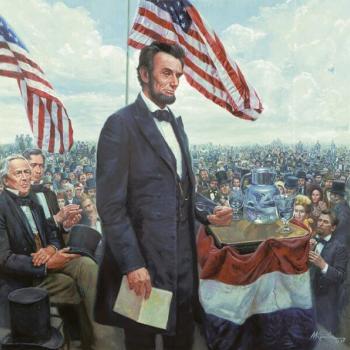
Abraham Lincoln delivered the Gettysburg Address in 1863.
Grades
7 - 12
|
Calendar Activity
|
Historical Figure & Event
Abraham Lincoln delivered the Gettysburg Address in 1863.
Students practice the Pre-AP strategy called SOAPSTone, identifying important parts of the Gettysburg Address and comparing it with John F. Kennedy's inaugural speech.
On this day in 1918, the United States passed the U.S. Standard Time Act.
Grades
3 - 12
|
Calendar Activity
|
Historical Figure & Event
On this day in 1918, the United States passed the U.S. Standard Time Act.
A video conference with a class from a different country or time zone is planned. Students brainstorm questions to ask and figure out how many time zones they would have to travel through to have the conference.
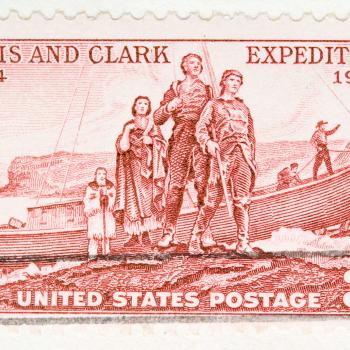
The Lewis and Clark Expedition reached the Pacific Ocean in 1805.
Grades
7 - 12
|
Calendar Activity
|
Historical Figure & Event
The Lewis and Clark Expedition reached the Pacific Ocean in 1805.
Students look at Kenneth Holder's paintings of the Lewis and Clark trail and transform their notes into a descriptive paragraph as if they were a member of the expedition.
Veterans Day is celebrated in the United States today.
Grades
3 - 12
|
Calendar Activity
|
Holiday & School Celebration
Veterans Day is celebrated in the United States today.
Students write biographical poems about a soldier.

Kristallnacht occurred in 1938.
Grades
9 - 12
|
Calendar Activity
|
Historical Figure & Event
Kristallnacht occurred in 1938.
To help understand the thinking of German leaders during the Holocaust, students write about a time when they failed to come to the assistance of someone who needed help.
In 1847, Bram Stoker, the author of <em>Dracula</em> was born.
Grades
5 - 12
|
Calendar Activity
|
Author & Text
In 1847, Bram Stoker, the author of Dracula was born.
Students brainstorm the superstitions they know and small groups research one of the superstitions to determine its origin and meaning or purpose. Students can write about the superstition using the Mystery Cube interactive.
Susan B. Anthony voted on this date in 1872, leading to her arrest.
Grades
5 - 12
|
Calendar Activity
|
Historical Figure & Event
Susan B. Anthony voted on this date in 1872, leading to her arrest.
After assigning special privileges to an arbitrarily designated group, students write about how they felt during the simulation and consider what they might be willing to do to change an unjust law.

Celebrate Halloween!
Grades
3 - 8
|
Calendar Activity
|
Holiday & School Celebration
Celebrate Halloween!
Students research information on Halloween, create masks or costumes from a text they are reading, or write a narrative essay describing their best Halloween ever.
Dr. Jonas Salk, who developed the polio vaccine, was born in 1914.
Grades
5 - 12
|
Calendar Activity
|
Historical Figure & Event
Dr. Jonas Salk, who developed the polio vaccine, was born in 1914.
After learning about Dr. Salk, students interview a family member or someone they know who remembers the polio epidemic.
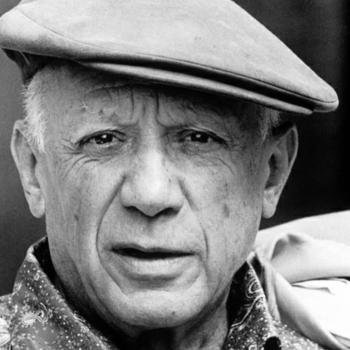
Artist Pablo Picasso was born on this day in 1881.
Grades
5 - 10
|
Calendar Activity
|
Historical Figure & Event
Artist Pablo Picasso was born on this day in 1881.
Students view a Picasso piece, write their impressions, and share. Students can create their own Picasso-style art using the interactive Picassohead.
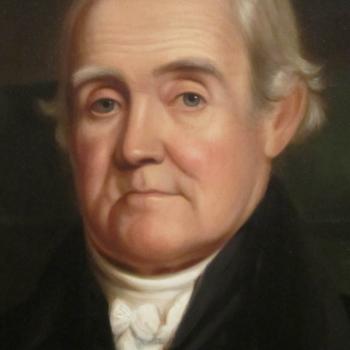
Dictionary author Noah Webster was born in 1758.
Grades
3 - 12
|
Calendar Activity
|
Historical Figure & Event
Dictionary author Noah Webster was born in 1758.

Students play a variation of the game Balderdash to practice vocabulary.

Ursula K. LeGuin was born on this day in 1929.
Grades
5 - 10
|
Calendar Activity
|
Author & Text
Ursula K. LeGuin was born on this day in 1929.

Students examine realistic and non-realistic elements of a familiar fantasy story of their choice.
Today is World Poetry Day.
Grades
3 - 12
|
Calendar Activity
|
Holiday & School Celebration
Today is World Poetry Day.

Students read and respond to Billy Collins' poem "Introduction to Poetry." Students then write about a favorite poem and imagine the perfect way to read it.

Pagination

  • First page « First
  • Previous page ‹‹
  • …
  • Page 38
  • Page 39
  • Page 40
  • Page 41
  • Page 42
  • Page 43
  • Page 44
  • Page 45
  • Page 46
  • …
  • Next page ››
  • Last page Last »

Explore Resources by Grade

  • KindergartenK
  • 1-2
  • 3-4
  • 5-6
  • 7-8
  • 9-10
  • 11-12

RWT-logo

Powered By NCTE

Footer 1 Menu

  • About
  • Classroom Resources
  • Professional Development
  • Collections
  • Contact Us

Footer 2 Menu

  • National Council of Teachers of English
  • Contribute to RWT
  • FAQs
  • Join NCTE

Footer 3 Menu

  • Legal Notices
  • Privacy Policy
  • Promotional Materials
  • Site Demonstrations

Want to stay in touch with RWT and NCTE? Sign up here!

  • Facebook
  • Twitter
  • Instagram
  • Pinterest
  • YouTube

© NCTE 2026. All rights reserved