ReadWriteThink - Powered by NCTE
  • About
  • Classroom Resources
    • Lesson Plans
    • Teaching Comics
    • Teaching With Primary Resources
    • Calendar
    • Printouts
    • Student Interactives
  • Collections
    • Assessment
    • Authors
    • Booklists
    • Media Literacy
    • Poetry
    • Primary Sources
    • Writing
  • Professional Development
    • Strategy Guides
    • Professional Library
    • Meetings & Events
  • Join NCTE
  • Contact Us
  • About
  • Classroom Resources
    • Lesson Plans
    • Teaching Comics
    • Teaching With Primary Resources
    • Calendar
    • Printouts
    • Student Interactives
  • Collections
    • Assessment
    • Authors
    • Booklists
    • Media Literacy
    • Poetry
    • Primary Sources
    • Writing
  • Professional Development
    • Strategy Guides
    • Professional Library
    • Meetings & Events
  • Join NCTE
  • Contact Us
  • Facebook
  • Twitter
  • Instagram
  • Pinterest
  • YouTube

Breadcrumb

  1. Home

Type

  • Classroom Resources
  • Professional Development

Grades

  • 1 (22)
  • 2 (26)
  • 3 (86)
  • 4 (96)
  • 5 (133)
  • 6 (168)
  • 7 (184)
  • 8 (185)
  • 9 (189)
  • 10 (188)
  • 11 (186)
  • 12 (186)
  • K (17)

Learning Objectives

  • collaboration (112)
  • Comprehension (108)
  • critical thinking (207)
  • digital literacy (37)
  • Grammar (5)
  • inquiry / research (144)
  • listening (42)
  • literary analysis (70)
  • Media literacy (69)
  • metacognition (96)
  • multicultural awareness (56)
  • multimodal literacy (62)
  • oral communication (70)
  • phonological awareness (2)
  • print awareness (24)
  • reading fluency (6)
  • reading genres (57)
  • Spelling (2)
  • text structure / story structure (35)
  • Vocabulary (24)
  • writing genres (82)
  • writing process (65)

Topics

  • (-) social studies / history
  • (-) Sports
  • arts
  • careers
  • community
  • drama
  • ELL
  • Family
  • fiction
  • Mathematics
  • Mobile Learning
  • nonfiction
  • poetry
  • science
  • seasons / holidays
  • social action
  • STEM
Commercial ice cream is first sold in the U.S. in 1786.
Grades
5 - 12
|
Calendar Activity
|
Historical Figure & Event
Commercial ice cream is first sold in the U.S. in 1786.
After finding advertisements from the past, students evaluate them and discuss how ads have changed over the years. Students then create an advertisement for a new flavor of ice cream.
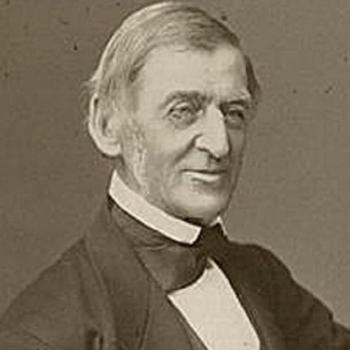
Ralph Waldo Emerson was born in 1803.
Grades
7 - 12
|
Calendar Activity
|
Author & Text
Ralph Waldo Emerson was born in 1803.
Students visit a quotation attributed to Emerson and identify the definition of success. Students then use the Postcard Creator to write a note to a person that they feel is successful.
The Brooklyn Bridge opened on this day in 1883.
Grades
5 - 12
|
Calendar Activity
|
Historical Figure & Event
The Brooklyn Bridge opened on this day in 1883.
Students explore the literary concept of point of view by examining a pair of picture books that highlight the controversies surrounding the Brooklyn Bridge.
Poet Yusef Komunyakaa was born in 1947.
Grades
8 - 12
|
Calendar Activity
|
Author & Text
Poet Yusef Komunyakaa was born in 1947.
Students examine imagery in the work of Pulitzer Prize winner Yusef Komunyakaa.
The Spanish town of Guernica was bombed on this date in 1937.
Grades
3 - 12
|
Calendar Activity
|
Historical Figure & Event
The Spanish town of Guernica was bombed on this date in 1937.

After showing students Picasso's Guernica, they are provided with background information, share their impressions, and write about Picasso's purpose in creating the painting.
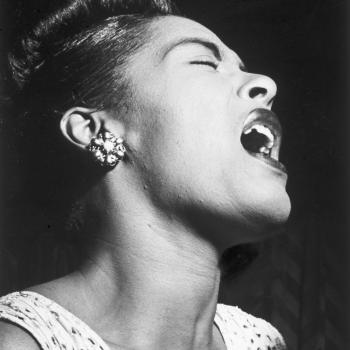
Jazz and blues singer Billie Holiday was born in 1915.
Grades
9 - 12
|
Calendar Activity
|
Historical Figure & Event
Jazz and blues singer Billie Holiday was born in 1915.
Students listen to Holiday's song "Strange Fruit" and identify powerful and descriptive images for a mini-lesson on tone and about the lynchings in the South during this time.
In 1928, Maya Angelou was born.
Grades
7 - 12
|
Calendar Activity
|
Author & Text
In 1928, Maya Angelou was born.
After hearing Maya Angelou's poem, "On the Pulse of Morning," students infer information about the speaker and her feelings about America and reflect on how one's life and experiences can influence one's writing.
The RMS <em>Titanic</em> sank on this day in 1912.
Grades
3 - 12
|
Calendar Activity
|
Historical Figure & Event
The RMS Titanic sank on this day in 1912.
Students use the Internet Workshop model to explore web links about the Titanic disaster.
On this day in 1935, Elvis Presley was born.
Grades
3 - 12
|
Calendar Activity
|
Historical Figure & Event
On this day in 1935, Elvis Presley was born.
Students visit the National Archives to read a letter written by Elvis Presley to President Nixon. The Letter Generator is used to write a letter to a current artist suggesting a meeting with the President.
Annie Moore becomes the first immigrant to enter Ellis Island in 1892.
Grades
3 - 12
|
Calendar Activity
|
Historical Figure & Event
Annie Moore becomes the first immigrant to enter Ellis Island in 1892.
Students explore online resources about Ellis Island, interview an immigrant in the area, and publish their stories.
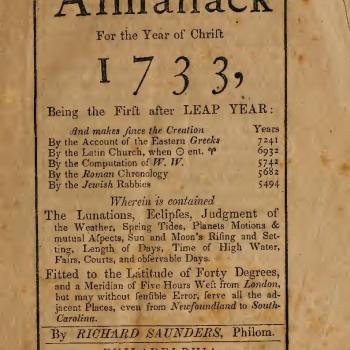
<em>Poor Richard's Almanack</em> was first published in 1733.
Grades
3 - 8
|
Calendar Activity
|
Historical Figure & Event
Poor Richard's Almanack was first published in 1733.
Students explore some of the proverbs taken from Poor Richard's Almanack, give their impressions or someone who would write these statements, and choose one saying to paraphrase.
James Naismith, inventor of the game of basketball, was born in 1861.
Grades
5 - 8
|
Calendar Activity
|
Historical Figure & Event
James Naismith, inventor of the game of basketball, was born in 1861.

Students look at Naismith's original 13 rules for basketball and write about the rules and how they have changed in small groups.
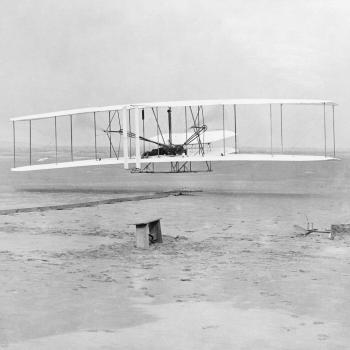
The Wright brothers made their phenomenal flight!
Grades
3 - 6
|
Calendar Activity
|
Historical Figure & Event
The Wright brothers made their phenomenal flight!
Students celebrate the Wright brothers' flight in 1903 by having a classroom celebration that includes a multimedia timeline and comparisons of the Wright Flyer to the planes we have today.
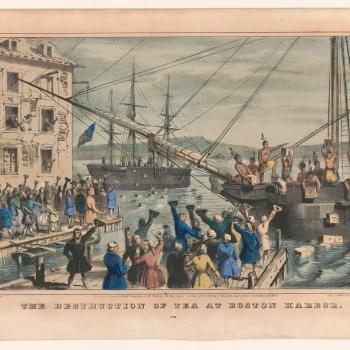
The Boston Tea Party took place in 1773.
Grades
7 - 12
|
Calendar Activity
|
Historical Figure & Event
The Boston Tea Party took place in 1773.
Students create a political cartoon for the Boston Tea Party and use the interactive Comic Creator to publish them.
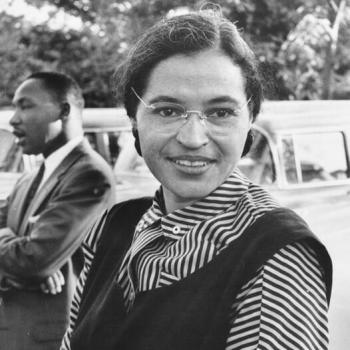
Rosa Parks was arrested for refusing to give up her seat on a bus.
Grades
5 - 12
|
Calendar Activity
|
Historical Figure & Event
Rosa Parks was arrested for refusing to give up her seat on a bus.
Students make believe that the year is 1955 and they just heard about Parks' arrest. Students write newspaper editorials with their points of view on segregation.
Author Eve Bunting was born in Ireland in 1928.
Grades
3 - 10
|
Calendar Activity
|
Author & Text
Author Eve Bunting was born in Ireland in 1928.

Students listen to a news article about the LA race riots and then read Smoky Night to discuss how a younger observer might be affected by these events and their perceptions.
Grades
9 - 12
|
Calendar Activity
|
Historical Figure & Event
Pearl Harbor was attacked by the Japanese in 1941.
Students use the Interactive Venn Diagram to compare the bombing of Pearl Harbor to the attacks on America on September 11, 2001.
The United States celebrates Thanksgiving Day today.
Grades
5 - 12
|
Calendar Activity
|
Holiday & School Celebration
The United States celebrates Thanksgiving Day today.

On this day, instead of teaching about a single day of Thanksgiving, use this as an opportunity to the concept of giving thanks.

Today is World Hello Day!
Grades
5 - 12
|
Calendar Activity
|
Holiday & School Celebration
Today is World Hello Day!
Students study a letter written by a famous author to determine purpose, and words and phrases that make the letter meaningful. They can use the Letter Generator to write their own letter promoting peace.
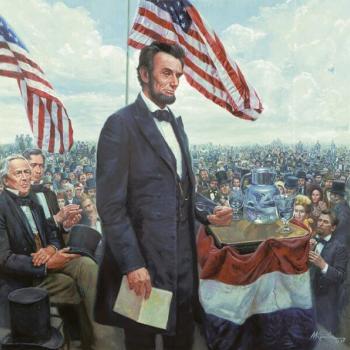
Abraham Lincoln delivered the Gettysburg Address in 1863.
Grades
7 - 12
|
Calendar Activity
|
Historical Figure & Event
Abraham Lincoln delivered the Gettysburg Address in 1863.
Students practice the Pre-AP strategy called SOAPSTone, identifying important parts of the Gettysburg Address and comparing it with John F. Kennedy's inaugural speech.

Pagination

  • First page « First
  • Previous page ‹‹
  • …
  • Page 8
  • Page 9
  • Page 10
  • Page 11
  • Page 12
  • Page 13
  • Page 14
  • Page 15
  • Page 16
  • Next page ››
  • Last page Last »

Explore Resources by Grade

  • KindergartenK
  • 1-2
  • 3-4
  • 5-6
  • 7-8
  • 9-10
  • 11-12

RWT-logo

Powered By NCTE

Footer 1 Menu

  • About
  • Classroom Resources
  • Professional Development
  • Collections
  • Contact Us

Footer 2 Menu

  • National Council of Teachers of English
  • Contribute to RWT
  • FAQs
  • Join NCTE

Footer 3 Menu

  • Legal Notices
  • Privacy Policy
  • Promotional Materials
  • Site Demonstrations

Want to stay in touch with RWT and NCTE? Sign up here!

  • Facebook
  • Twitter
  • Instagram
  • Pinterest
  • YouTube

© NCTE 2026. All rights reserved