ReadWriteThink - Powered by NCTE
  • About
  • Classroom Resources
    • Lesson Plans
    • Teaching Comics
    • Teaching With Primary Resources
    • Calendar
    • Printouts
    • Student Interactives
  • Collections
    • Assessment
    • Authors
    • Booklists
    • Media Literacy
    • Poetry
    • Primary Sources
    • Writing
  • Professional Development
    • Strategy Guides
    • Professional Library
    • Meetings & Events
  • Join NCTE
  • Contact Us
  • About
  • Classroom Resources
    • Lesson Plans
    • Teaching Comics
    • Teaching With Primary Resources
    • Calendar
    • Printouts
    • Student Interactives
  • Collections
    • Assessment
    • Authors
    • Booklists
    • Media Literacy
    • Poetry
    • Primary Sources
    • Writing
  • Professional Development
    • Strategy Guides
    • Professional Library
    • Meetings & Events
  • Join NCTE
  • Contact Us
  • Facebook
  • Twitter
  • Instagram
  • Pinterest
  • YouTube

Breadcrumb

  1. Home

Type

  • (-) Historical Figure & Event

Grades

  • 1 (3)
  • 2 (3)
  • 3 (14)
  • 4 (14)
  • 7 (33)
  • 8 (33)
  • 9 (33)
  • 10 (33)
  • 11 (32)
  • 12 (32)
  • K (2)
  • (-) 5 (20)

Learning Objectives

  • (-) metacognition (20)
  • collaboration (18)
  • Comprehension (5)
  • critical thinking (54)
  • digital literacy (3)
  • inquiry / research (33)
  • listening (7)
  • literary analysis (2)
  • Media literacy (19)
  • multicultural awareness (6)
  • multimodal literacy (16)
  • oral communication (10)
  • print awareness (7)
  • Vocabulary (2)
  • writing genres (8)
  • writing process (5)

Topics

  • arts
  • careers
  • community
  • Family
  • fiction
  • Mathematics
  • nonfiction
  • science
  • seasons / holidays
  • social action
  • social studies / history
  • Sports
Celebrate John Venn's Birthday!
Grades
K - 12
|
Calendar Activity
|
Historical Figure & Event
Celebrate John Venn's Birthday!
Students celebrate the birth of English logician, philosopher, and creator of the Venn Diagram by building community within the classroom by comparing and contrasting likes, dislikes, and characteristics about one another.
Beware the Ides of March!
Grades
3 - 12
|
Calendar Activity
|
Historical Figure & Event
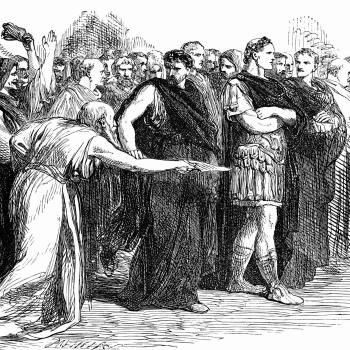
Beware the Ides of March!
Students discuss and categorize superstitions, define a superstition, and compare the similarities and difference between proverbs and superstitions.
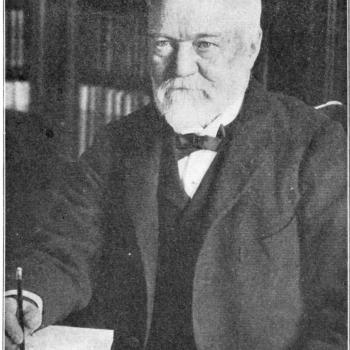
On this date in 1901, Andrew Carnegie gave $5.2 million to New York City libraries.
Grades
3 - 12
|
Calendar Activity
|
Historical Figure & Event
On this date in 1901, Andrew Carnegie gave $5.2 million to New York City libraries.
Students write expository and persuasive pieces with the help of the Persuasion Map and Essay Map interactives, and compare the essential features of the two modes of writing.
Actor Sidney Poitier was born in 1924.
Grades
3 - 12
|
Calendar Activity
|
Historical Figure & Event
Actor Sidney Poitier was born in 1924.
Students do a journal entry about barriers that have been broken,such as age, race, and gender, that might impede them in the future, and how they can break through those barriers.

Diarist Samuel Pepys was born.
Grades
3 - 12
|
Calendar Activity
|
Historical Figure & Event
Diarist Samuel Pepys was born.
Students write diary entries and revisit the entries as if it were a hundred years from now. Students then brainstorm and write paragraphs about life in the 21st century.
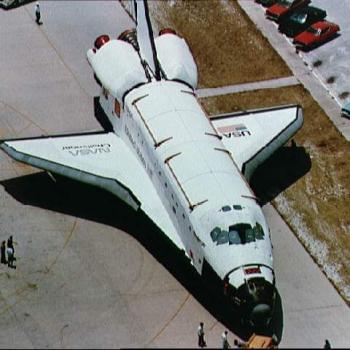
The Space Shuttle <em>Challenger</em> exploded in 1986.
Grades
3 - 12
|
Calendar Activity
|
Historical Figure & Event
The Space Shuttle Challenger exploded in 1986.

Students interview a parent or another adult about the Challenger and hypothesize about differences. Students can also write about the Columbia disaster in 2003.

Gold was discovered in California in 1848.
Grades
3 - 12
|
Calendar Activity
|
Historical Figure & Event
Gold was discovered in California in 1848.
Students read letters from the Gold Rush and follow up by writing an imaginary letter to a family member about their experience using the Letter Generator.
On this day in 1910, animal rights activist Joy Adamson was born.
Grades
K - 6
|
Calendar Activity
|
Historical Figure & Event
On this day in 1910, animal rights activist Joy Adamson was born.
A KWL chart is used to organize information about lions. Persuasive letters are written lobbying for programs and resources to protect these animals.
The Scopes Trial began today in 1925.
Grades
5 - 12
|
Calendar Activity
|
Historical Figure & Event
The Scopes Trial began today in 1925.
Students brainstorm a list of objects and processes that have changed over time and use the Timeline tool to sketch out the evolution of the item they have chosen. A giant class timeline can be created to show the evolution of the items students have investigated.

It's Independence Day!  Or is it?
Grades
3 - 12
|
Calendar Activity
|
Historical Figure & Event
It's Independence Day! Or is it?
Students consider why there are so many different dates associated with the Declaration of Independence and why the nation's birthday is celebrated on July 4.
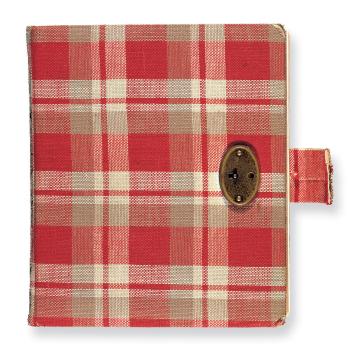
Anne Frank received her famous diary in 1942.
Grades
5 - 12
|
Calendar Activity
|
Historical Figure & Event
Anne Frank received her famous diary in 1942.
Students learn about eyewitness reports through a lesson that is grade-level appropriate. Then, groups use primary source documents and research an event using eyewitness accounts.
Charles Lindbergh began his transatlantic flight in 1927.
Grades
3 - 12
|
Calendar Activity
|
Historical Figure & Event
Charles Lindbergh began his transatlantic flight in 1927.
Students consider what is meant by the phrase "Human Hero," think of people who fit into the category, and read a biography of a selected hero.
Malcolm X was born in Nebraska in 1925.
Grades
5 - 12
|
Calendar Activity
|
Historical Figure & Event
Malcolm X was born in Nebraska in 1925.
Students write about the origin of their name and explore the names that Malcolm X used during this life.
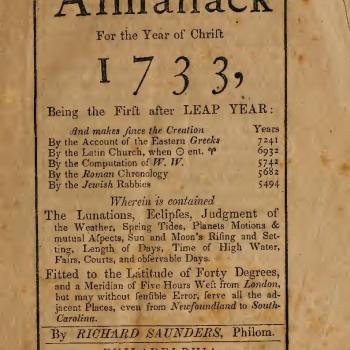
<em>Poor Richard's Almanack</em> was first published in 1733.
Grades
3 - 8
|
Calendar Activity
|
Historical Figure & Event
Poor Richard's Almanack was first published in 1733.
Students explore some of the proverbs taken from Poor Richard's Almanack, give their impressions or someone who would write these statements, and choose one saying to paraphrase.
On this day in 1918, the United States passed the U.S. Standard Time Act.
Grades
3 - 12
|
Calendar Activity
|
Historical Figure & Event
On this day in 1918, the United States passed the U.S. Standard Time Act.
A video conference with a class from a different country or time zone is planned. Students brainstorm questions to ask and figure out how many time zones they would have to travel through to have the conference.
Susan B. Anthony voted on this date in 1872, leading to her arrest.
Grades
5 - 12
|
Calendar Activity
|
Historical Figure & Event
Susan B. Anthony voted on this date in 1872, leading to her arrest.
After assigning special privileges to an arbitrarily designated group, students write about how they felt during the simulation and consider what they might be willing to do to change an unjust law.
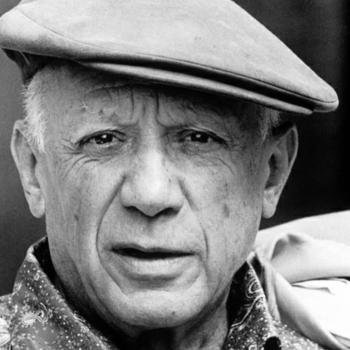
Artist Pablo Picasso was born on this day in 1881.
Grades
5 - 10
|
Calendar Activity
|
Historical Figure & Event
Artist Pablo Picasso was born on this day in 1881.
Students view a Picasso piece, write their impressions, and share. Students can create their own Picasso-style art using the interactive Picassohead.
The Smithsonian Institution was founded in 1846.
Grades
1 - 8
|
Calendar Activity
|
Historical Figure & Event
The Smithsonian Institution was founded in 1846.
After exploring an exhibit online, students use the information they learned to write "A Day in the Life" narratives that tell about a person, animal, or object they saw in the exhibit.
The 19th Amendment to the U.S. Constitution gave women the right to vote in 1920.
Grades
5 - 8
|
Calendar Activity
|
Historical Figure & Event
The 19th Amendment to the U.S. Constitution gave women the right to vote in 1920.
A representative from the local chapter of the League of Women Voters is invited to talk to students about voting rights and what they can do to be active in politics.
The first woman swam the English Channel in 1926.
Grades
3 - 8
|
Calendar Activity
|
Historical Figure & Event
The first woman swam the English Channel in 1926.
Students brainstorm a list of famous athletic competitors and establish criteria for what makes an athlete "famous." Students then forecast which of today's athletes will still be remembered in 75 to 100 years.

Explore Resources by Grade

  • KindergartenK
  • 1-2
  • 3-4
  • 5-6
  • 7-8
  • 9-10
  • 11-12

RWT-logo

Powered By NCTE

Footer 1 Menu

  • About
  • Classroom Resources
  • Professional Development
  • Collections
  • Contact Us

Footer 2 Menu

  • National Council of Teachers of English
  • Contribute to RWT
  • FAQs
  • Join NCTE

Footer 3 Menu

  • Legal Notices
  • Privacy Policy
  • Promotional Materials
  • Site Demonstrations

Want to stay in touch with RWT and NCTE? Sign up here!

  • Facebook
  • Twitter
  • Instagram
  • Pinterest
  • YouTube

© NCTE 2026. All rights reserved