ReadWriteThink - Powered by NCTE
  • About
  • Classroom Resources
    • Lesson Plans
    • Teaching Comics
    • Teaching With Primary Resources
    • Calendar
    • Printouts
    • Student Interactives
  • Collections
    • Assessment
    • Authors
    • Booklists
    • Media Literacy
    • Poetry
    • Primary Sources
    • Writing
  • Professional Development
    • Strategy Guides
    • Professional Library
    • Meetings & Events
  • Join NCTE
  • Contact Us
  • About
  • Classroom Resources
    • Lesson Plans
    • Teaching Comics
    • Teaching With Primary Resources
    • Calendar
    • Printouts
    • Student Interactives
  • Collections
    • Assessment
    • Authors
    • Booklists
    • Media Literacy
    • Poetry
    • Primary Sources
    • Writing
  • Professional Development
    • Strategy Guides
    • Professional Library
    • Meetings & Events
  • Join NCTE
  • Contact Us
  • Facebook
  • Twitter
  • Instagram
  • Pinterest
  • YouTube

Breadcrumb

  1. Home

Type

  • Classroom Resources
  • Professional Development

Grades

  • 1 (61)
  • 2 (65)
  • 3 (108)
  • 4 (115)
  • 5 (142)
  • 6 (176)
  • 7 (192)
  • 8 (195)
  • 9 (213)
  • 10 (210)
  • 11 (205)
  • 12 (204)
  • K (57)

Learning Objectives

  • (-) Media literacy (205)
  • (-) oral communication (224)
  • collaboration (458)
  • Comprehension (508)
  • critical thinking (649)
  • digital literacy (154)
  • Grammar (57)
  • inquiry / research (350)
  • listening (182)
  • literary analysis (367)
  • metacognition (302)
  • multicultural awareness (113)
  • multimodal literacy (260)
  • phonological awareness (61)
  • print awareness (89)
  • reading fluency (67)
  • reading genres (290)
  • Spelling (51)
  • text structure / story structure (242)
  • Vocabulary (191)
  • writing genres (382)
  • writing process (421)

Topics

  • arts
  • careers
  • community
  • drama
  • ELL
  • Family
  • fiction
  • Mathematics
  • Mobile Learning
  • nonfiction
  • poetry
  • science
  • seasons / holidays
  • social action
  • social studies / history
  • Sports
  • STEM
Humorist Erma Bombeck was born in 1927.
Grades
9 - 12
|
Calendar Activity
|
Author & Text
Humorist Erma Bombeck was born in 1927.
Using lines from Bombeck's newspaper column, students identify allusive or satirical humor. Older students can rewrite the passages for a different audience.
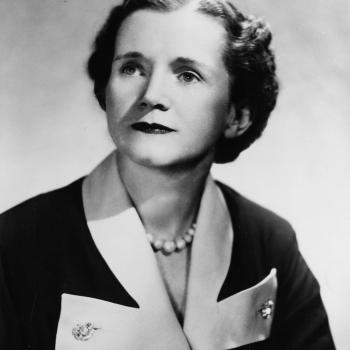
On this day in 1907, Rachel Carson was born.
Grades
3 - 12
|
Calendar Activity
|
Author & Text
On this day in 1907, Rachel Carson was born.
Students learn about Rachel Carson, explore different environmental websites, and write a Diamante Poem about a particular habitat.
In 1564, William Shakespeare was born on this day.
Grades
1 - 12
|
Calendar Activity
|
Author & Text
In 1564, William Shakespeare was born on this day.

Based on grade level, students learn about rhyming structure, experiment with the Shakespearean Insult Kit, or study scenes from Othello and watch an adaptation of that scene from the movie O.
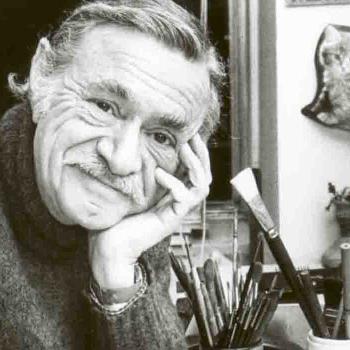
Ezra Jack Keats was born on this day in 1916.
Grades
K - 12
|
Calendar Activity
|
Author & Text
Ezra Jack Keats was born on this day in 1916.
In celebration of Keats' birthday, students write stories that include some characters from Keats' books and practice using collage techniques with the Collage Machine.
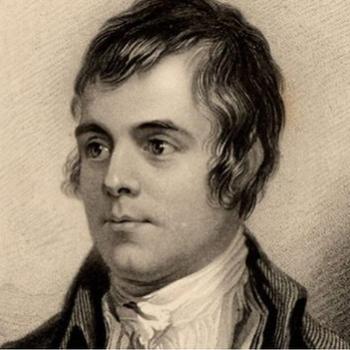
Poet Robert Burns was born in 1759.
Grades
7 - 12
|
Calendar Activity
|
Author & Text
Poet Robert Burns was born in 1759.
Students read examples of traditional Scottish ballads and use this information to write and perform their own ballads.
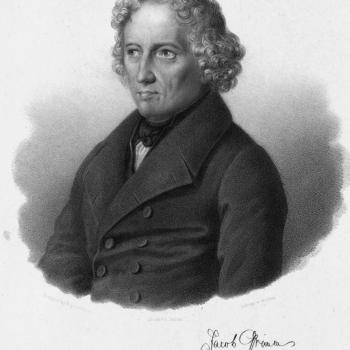
Jacob Grimm, one of the Brothers Grimm, was born today.
Grades
7 - 12
|
Calendar Activity
|
Author & Text
Jacob Grimm, one of the Brothers Grimm, was born today.
Students compare different versions of the fairy tale Cinderella and then rewrite a lesser-known Grimm story and explain the changes they made.
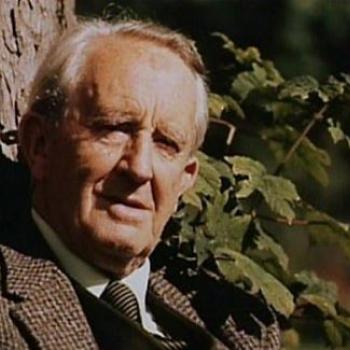
John Ronald Reuel Tolkien was born on this day.
Grades
7 - 12
|
Calendar Activity
|
Author & Text
John Ronald Reuel Tolkien was born on this day.

Students compare the film versions of The Lord of the Rings and Tolkien's novels. Students then imagine how a scene in a current novel that they are reading would be filmed.

<em>The New York Times</em> used the slogan "All the News That's Fit to Print."
Grades
7 - 12
|
Calendar Activity
|
Historical Figure & Event
The New York Times used the slogan "All the News That's Fit to Print."
After discussing newspapers and their different points of view, students choose a current event, read editorials on the event, and share them with the class to identify the editor's point of view.
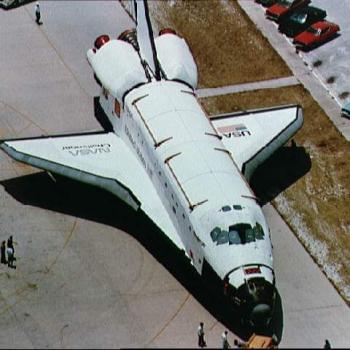
The Space Shuttle <em>Challenger</em> exploded in 1986.
Grades
3 - 12
|
Calendar Activity
|
Historical Figure & Event
The Space Shuttle Challenger exploded in 1986.

Students interview a parent or another adult about the Challenger and hypothesize about differences. Students can also write about the Columbia disaster in 2003.
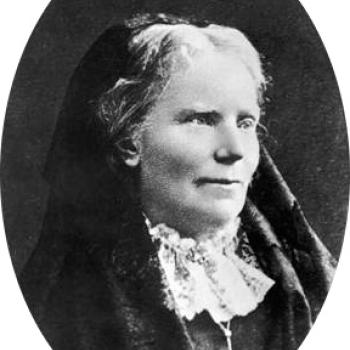
Elizabeth Blackwell became the first woman in the US to earn a MD degree in 1849.
Grades
3 - 12
|
Calendar Activity
|
Historical Figure & Event
Elizabeth Blackwell became the first woman in the US to earn a MD degree in 1849.
"Famous Firsts" are researched by students, followed by small group research and multimedia presentations to report research results.
Amelia Earhart completed her solo flight from Honolulu to Oakland in 1935.
Grades
3 - 12
|
Calendar Activity
|
Historical Figure & Event
Amelia Earhart completed her solo flight from Honolulu to Oakland in 1935.
Students explore the definition of a hero and use the interactive Venn diagram to identify the most common characteristics of a hero.
Jane Yolen was born in 1939.
Grades
1 - 5
|
Calendar Activity
|
Author & Text
Jane Yolen was born in 1939.
Students read one of Jane Yolen's books, retell the story in the form of a puppet show, research animals in the book, and document their findings with the Animal Study interactive tool.
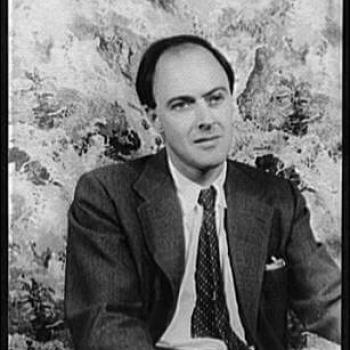
Roald Dahl was born on this day in 1916.
Grades
3 - 6
|
Calendar Activity
|
Author & Text
Roald Dahl was born on this day in 1916.

Students adapt a Roald Dahl story to picture book format and share their books and add them to the classroom library. Additionally, they compare a book version and film version of one of Dahl's works.

Author Alice Walker was born on February 9, 1944.
Grades
9 - 12
|
Calendar Activity
|
Author & Text
Author Alice Walker was born on February 9, 1944.
After students read the novel The Color Purple, dialect is discussed and students write a short piece of fiction or poetry using the dialect of their peer group.
Celebrate Children's Authors and Illustrators Week
Grades
3 - 12
|
Calendar Activity
|
Literacy-Related Event
Celebrate Children's Authors and Illustrators Week
Students "step into the shoes" of their favorite author by reading several of their books, conducting research, and preparing displays and presentations for the class.
African American journalist Ida B. Wells was born in 1862.
Grades
7 - 12
|
Calendar Activity
|
Author & Text
African American journalist Ida B. Wells was born in 1862.
Students brainstorm a list of human rights issues, research their group's issue in depth, examine the way journalists cover a story, and create articles for a classroom newspaper.
Brian Jacques, author of the Redwall series, was born in 1939.
Grades
5 - 10
|
Calendar Activity
|
Author & Text
Brian Jacques, author of the Redwall series, was born in 1939.
After students have read one of Brian Jacques' Redwall stories, a class newspaper is created based on the story.
CNN debuted as the first television news network in 1980.
Grades
3 - 12
|
Calendar Activity
|
Historical Figure & Event
CNN debuted as the first television news network in 1980.
Students brainstorm a list of modern news sources and from previous centuries. Groups then research one of these sources and create a timeline showing the evolution of news.
In 1969, the first human walked on the moon.
Grades
9 - 12
|
Calendar Activity
|
Historical Figure & Event
In 1969, the first human walked on the moon.
As a class, students discuss Neil Armstrong's famous quote when he landed on the moon and explore the difference that one word can make, as well as the gendered language that Armstrong uses.
The first typewriter patent was awarded in 1868.
Grades
3 - 12
|
Calendar Activity
|
Historical Figure & Event
The first typewriter patent was awarded in 1868.
Students take part in an inquiry-based study that compares typewriters to computers.

Pagination

  • First page « First
  • Previous page ‹‹
  • …
  • Page 12
  • Page 13
  • Page 14
  • Page 15
  • Page 16
  • Page 17
  • Page 18
  • Page 19
  • Page 20
  • Next page ››
  • Last page Last »

Explore Resources by Grade

  • KindergartenK
  • 1-2
  • 3-4
  • 5-6
  • 7-8
  • 9-10
  • 11-12

RWT-logo

Powered By NCTE

Footer 1 Menu

  • About
  • Classroom Resources
  • Professional Development
  • Collections
  • Contact Us

Footer 2 Menu

  • National Council of Teachers of English
  • Contribute to RWT
  • FAQs
  • Join NCTE

Footer 3 Menu

  • Legal Notices
  • Privacy Policy
  • Promotional Materials
  • Site Demonstrations

Want to stay in touch with RWT and NCTE? Sign up here!

  • Facebook
  • Twitter
  • Instagram
  • Pinterest
  • YouTube

© NCTE 2026. All rights reserved