ReadWriteThink - Powered by NCTE
  • About
  • Classroom Resources
    • Lesson Plans
    • Teaching Comics
    • Teaching With Primary Resources
    • Calendar
    • Printouts
    • Student Interactives
  • Collections
    • Assessment
    • Authors
    • Booklists
    • Media Literacy
    • Poetry
    • Primary Sources
    • Writing
  • Professional Development
    • Strategy Guides
    • Professional Library
    • Meetings & Events
  • Join NCTE
  • Contact Us
  • About
  • Classroom Resources
    • Lesson Plans
    • Teaching Comics
    • Teaching With Primary Resources
    • Calendar
    • Printouts
    • Student Interactives
  • Collections
    • Assessment
    • Authors
    • Booklists
    • Media Literacy
    • Poetry
    • Primary Sources
    • Writing
  • Professional Development
    • Strategy Guides
    • Professional Library
    • Meetings & Events
  • Join NCTE
  • Contact Us
  • Facebook
  • Twitter
  • Instagram
  • Pinterest
  • YouTube

Breadcrumb

  1. Home

Type

  • Classroom Resources
  • Professional Development

Grades

  • 1 (65)
  • 2 (74)
  • 3 (144)
  • 4 (150)
  • 5 (180)
  • 6 (222)
  • 7 (234)
  • 8 (238)
  • 9 (249)
  • 10 (246)
  • 11 (241)
  • 12 (239)
  • K (58)

Learning Objectives

  • (-) inquiry / research (350)
  • (-) Media literacy (205)
  • collaboration (458)
  • Comprehension (508)
  • critical thinking (649)
  • digital literacy (154)
  • Grammar (57)
  • listening (182)
  • literary analysis (367)
  • metacognition (302)
  • multicultural awareness (113)
  • multimodal literacy (260)
  • oral communication (224)
  • phonological awareness (61)
  • print awareness (89)
  • reading fluency (67)
  • reading genres (290)
  • Spelling (51)
  • text structure / story structure (242)
  • Vocabulary (191)
  • writing genres (382)
  • writing process (421)

Topics

  • arts
  • careers
  • community
  • drama
  • ELL
  • Family
  • fiction
  • Mathematics
  • Mobile Learning
  • nonfiction
  • poetry
  • science
  • seasons / holidays
  • social action
  • social studies / history
  • Sports
  • STEM
Author of <em>Tuck Everlasting</em>, Natalie Babbitt, was born in 1932.
Grades
9 - 12
|
Calendar Activity
|
Author & Text
Author of Tuck Everlasting, Natalie Babbitt, was born in 1932.
Students research the concept of immortality from beliefs around the world and compose a short story, myth, or poem that addresses immortality.
African American journalist Ida B. Wells was born in 1862.
Grades
7 - 12
|
Calendar Activity
|
Author & Text
African American journalist Ida B. Wells was born in 1862.
Students brainstorm a list of human rights issues, research their group's issue in depth, examine the way journalists cover a story, and create articles for a classroom newspaper.
Brian Jacques, author of the Redwall series, was born in 1939.
Grades
5 - 10
|
Calendar Activity
|
Author & Text
Brian Jacques, author of the Redwall series, was born in 1939.
After students have read one of Brian Jacques' Redwall stories, a class newspaper is created based on the story.
CNN debuted as the first television news network in 1980.
Grades
3 - 12
|
Calendar Activity
|
Historical Figure & Event
CNN debuted as the first television news network in 1980.
Students brainstorm a list of modern news sources and from previous centuries. Groups then research one of these sources and create a timeline showing the evolution of news.
Author Laura Joffe Numeroff was born in 1953.
Grades
K - 5
|
Calendar Activity
|
Author & Text
Author Laura Joffe Numeroff was born in 1953.
Using one of Numeroff's books as a model, students use the circle plot structure as a culminating project for a unit of study completed in the classroom.
In 1969, the first human walked on the moon.
Grades
9 - 12
|
Calendar Activity
|
Historical Figure & Event
In 1969, the first human walked on the moon.
As a class, students discuss Neil Armstrong's famous quote when he landed on the moon and explore the difference that one word can make, as well as the gendered language that Armstrong uses.
The Scopes Trial began today in 1925.
Grades
5 - 12
|
Calendar Activity
|
Historical Figure & Event
The Scopes Trial began today in 1925.
Students brainstorm a list of objects and processes that have changed over time and use the Timeline tool to sketch out the evolution of the item they have chosen. A giant class timeline can be created to show the evolution of the items students have investigated.

It's Independence Day!  Or is it?
Grades
3 - 12
|
Calendar Activity
|
Historical Figure & Event
It's Independence Day! Or is it?
Students consider why there are so many different dates associated with the Declaration of Independence and why the nation's birthday is celebrated on July 4.
The first U.S. zoo opened in Philadelphia in 1874.
Grades
1 - 6
|
Calendar Activity
|
Historical Figure & Event
The first U.S. zoo opened in Philadelphia in 1874.
Students consider how zoos have changed over the past century and design their own zoo of the future using drawings, posters, dioramas, or other displays.
The first typewriter patent was awarded in 1868.
Grades
3 - 12
|
Calendar Activity
|
Historical Figure & Event
The first typewriter patent was awarded in 1868.
Students take part in an inquiry-based study that compares typewriters to computers.
Celebrate Juneteenth!
Grades
5 - 12
|
Calendar Activity
|
Holiday & School Celebration
Celebrate Juneteenth!

Students use the Venn Diagram to compare Juneteenth celebrations to Fourth of July celebrations and hypothesize about the differences.

June 14 is Flag Day in the U.S.
Grades
5 - 12
|
Calendar Activity
|
Holiday & School Celebration
June 14 is Flag Day in the U.S.
Students consider how America, Americans, and the flag are represented in different patriotic songs and hypothesize about the reasons for their differences.
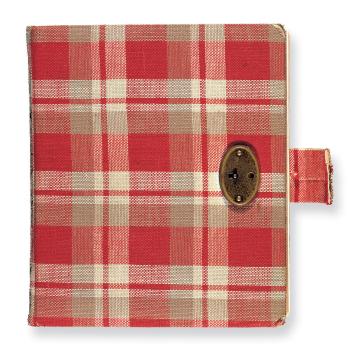
Anne Frank received her famous diary in 1942.
Grades
5 - 12
|
Calendar Activity
|
Historical Figure & Event
Anne Frank received her famous diary in 1942.
Students learn about eyewitness reports through a lesson that is grade-level appropriate. Then, groups use primary source documents and research an event using eyewitness accounts.
The Crystal Palace hosted the first display of life-size dinosaur replicas in 1854.
Grades
7 - 12
|
Calendar Activity
|
Historical Figure & Event
The Crystal Palace hosted the first display of life-size dinosaur replicas in 1854.
After learning about Hawkins' dinosaur replicas, students work individually or in small groups to investigate a dinosaur of their choice, comparing their findings to Hawkins'.
Sally Ride, first American woman in space, was born in 1951.
Grades
3 - 8
|
Calendar Activity
|
Historical Figure & Event
Sally Ride, first American woman in space, was born in 1951.
After exploring information about Sally Ride on the StarKids Who's Who site, students write a letter using the Letter Generator to Dr. Ride's foundation, Sally Ride Science.
Malcolm X was born in Nebraska in 1925.
Grades
5 - 12
|
Calendar Activity
|
Historical Figure & Event
Malcolm X was born in Nebraska in 1925.
Students write about the origin of their name and explore the names that Malcolm X used during this life.

National Public Radio began broadcasting in 1971.
Grades
7 - 12
|
Calendar Activity
|
Historical Figure & Event
National Public Radio began broadcasting in 1971.
Students make predictions about the content of some of NPR's programs, then listen to the programs and report on the contents and discuss with the class.
Commercial ice cream is first sold in the U.S. in 1786.
Grades
5 - 12
|
Calendar Activity
|
Historical Figure & Event
Commercial ice cream is first sold in the U.S. in 1786.
After finding advertisements from the past, students evaluate them and discuss how ads have changed over the years. Students then create an advertisement for a new flavor of ice cream.
<em>Mister Rogers' Neighborhood</em> premiered in 1967.
Grades
7 - 12
|
Calendar Activity
|
Historical Figure & Event
Mister Rogers' Neighborhood premiered in 1968.

After thinking about TV shows, books, and movies from their childhood, students write about what they remember and revisit how they feel about it at an older age.
The first Academy Awards ceremony was held in 1929.
Grades
5 - 12
|
Calendar Activity
|
Historical Figure & Event
The first Academy Awards ceremony was held in 1929.
Students make lists of their favorite and least favorite movies and brainstorm qualities that make a film good or bad. Next, students write a movie review for a film they have seen.

Pagination

  • First page « First
  • Previous page ‹‹
  • …
  • Page 16
  • Page 17
  • Page 18
  • Page 19
  • Page 20
  • Page 21
  • Page 22
  • Page 23
  • Page 24
  • Next page ››
  • Last page Last »

Explore Resources by Grade

  • KindergartenK
  • 1-2
  • 3-4
  • 5-6
  • 7-8
  • 9-10
  • 11-12

RWT-logo

Powered By NCTE

Footer 1 Menu

  • About
  • Classroom Resources
  • Professional Development
  • Collections
  • Contact Us

Footer 2 Menu

  • National Council of Teachers of English
  • Contribute to RWT
  • FAQs
  • Join NCTE

Footer 3 Menu

  • Legal Notices
  • Privacy Policy
  • Promotional Materials
  • Site Demonstrations

Want to stay in touch with RWT and NCTE? Sign up here!

  • Facebook
  • Twitter
  • Instagram
  • Pinterest
  • YouTube

© NCTE 2026. All rights reserved